Thursday, May 18, 2006

BEAUTIFUL CANADIAN ROCKIES

FROM BANFF TO JASPER, A FABULOUS JOURNEY - AUGUST 1993

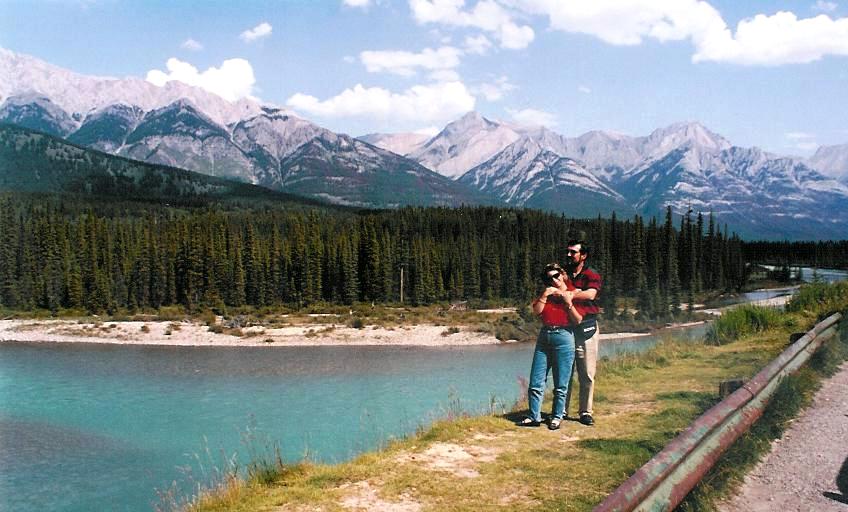
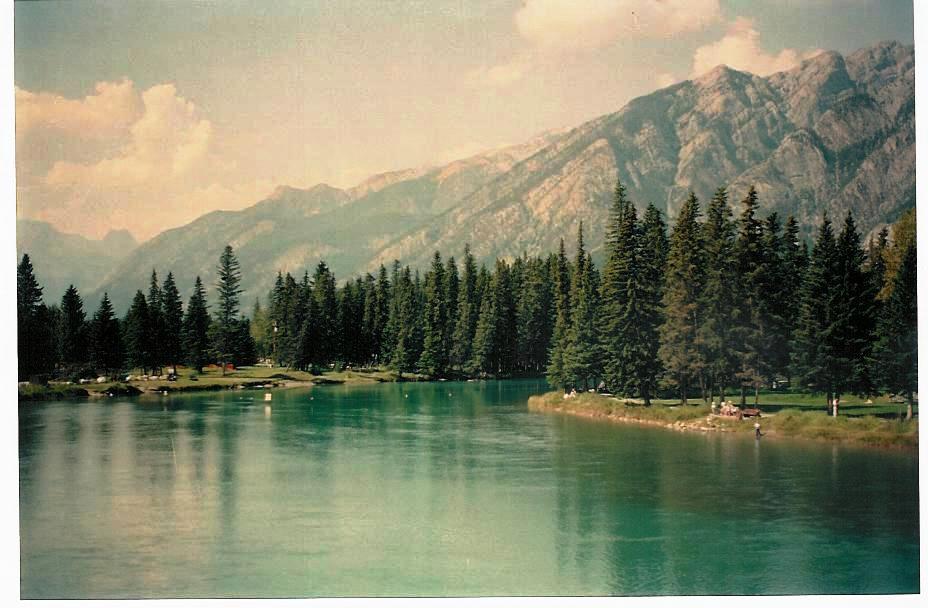
It includes the Icefields Parkway, one of the world's most scenic highways, runs for 230km from Lake Louise to Jasper.


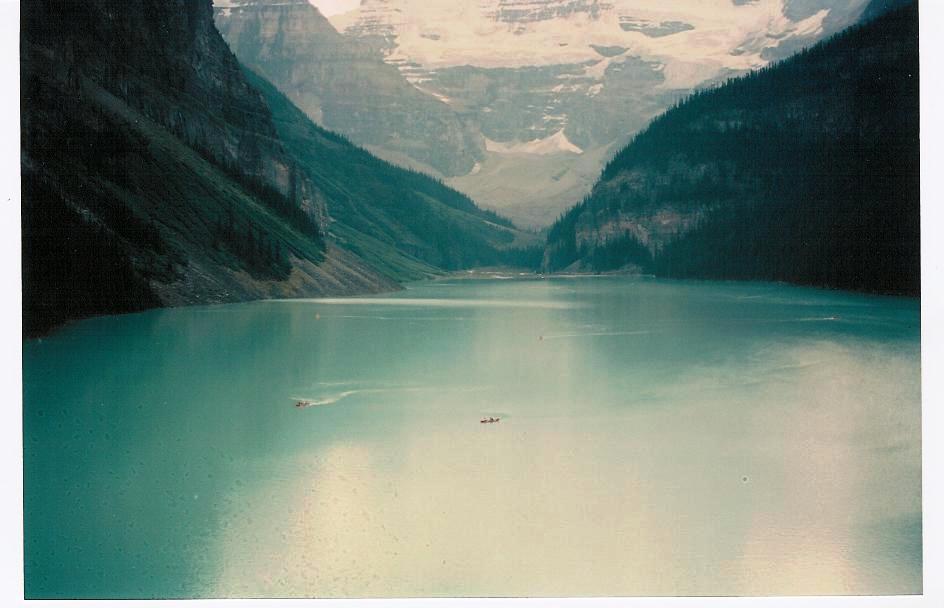
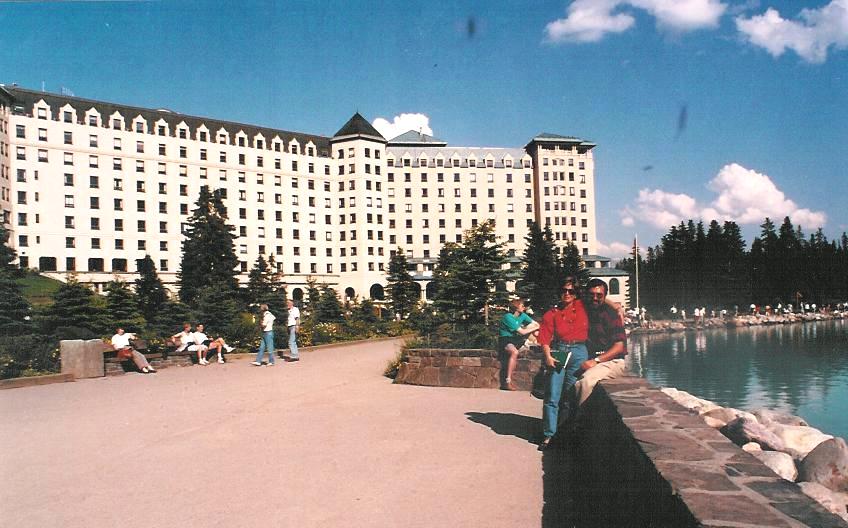
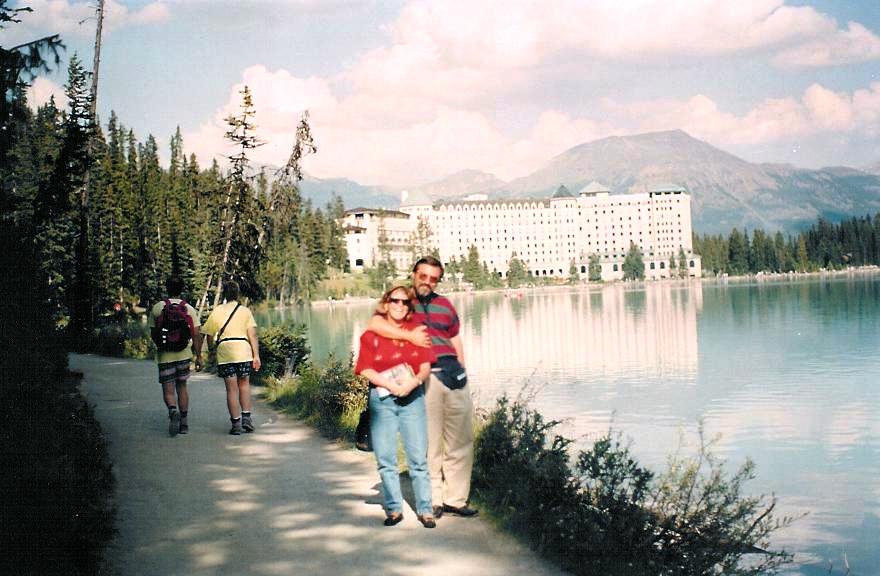
"CHATEAU LAKE LOUISE, A huge hotel building started in 1928, set in fantastic surroundings - snow covered peaks, wonderful lake, majestic glacier!"


"VICTORIA GLACIER - A spectacular ice river reflected in the emerald waters of Lake Louise"


"VALLEY OF THE TEN PEAKS - Ten magnificent peaks and Moraine Lake"


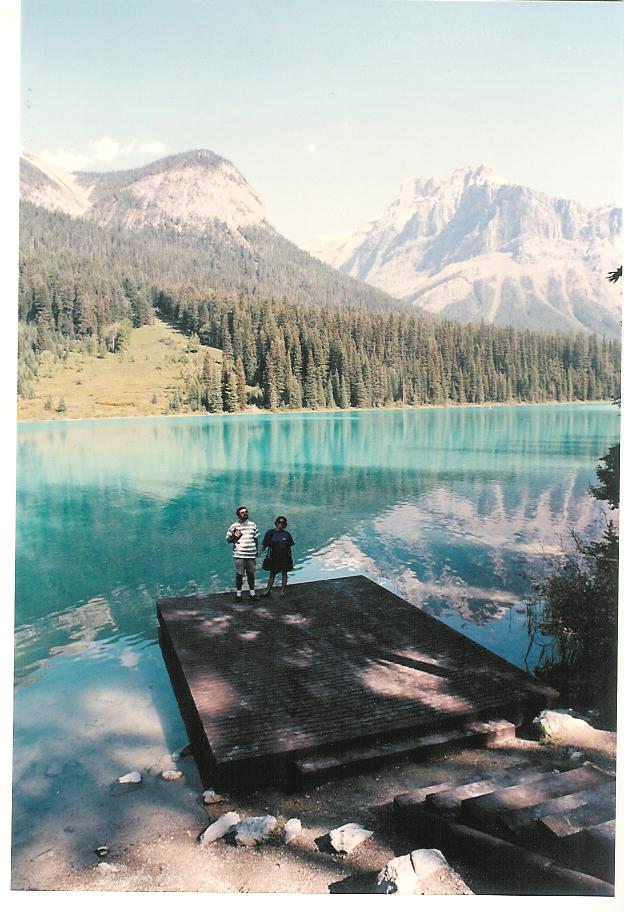
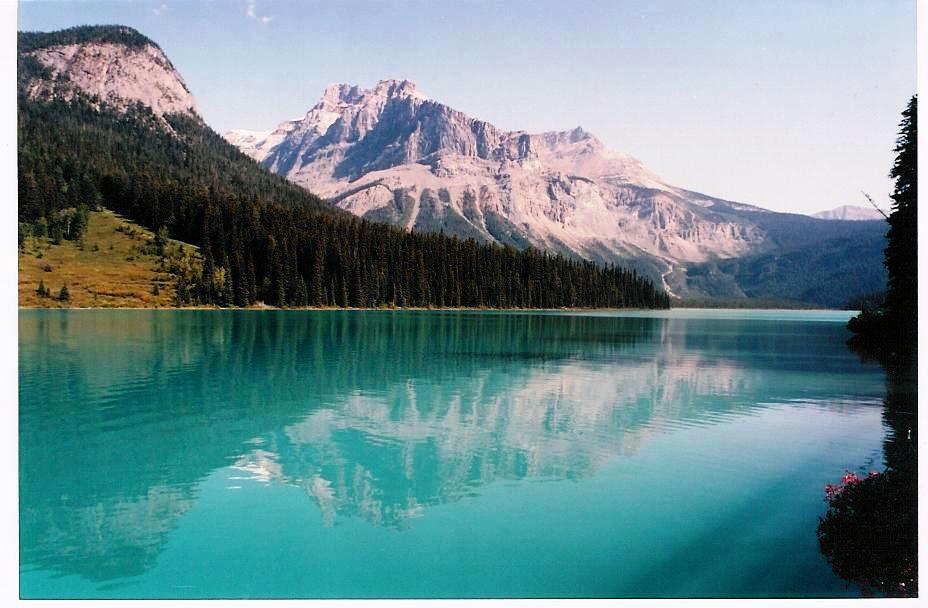
"EMERALD LAKE - Beautiful turquoise waters at the base of the President Range"


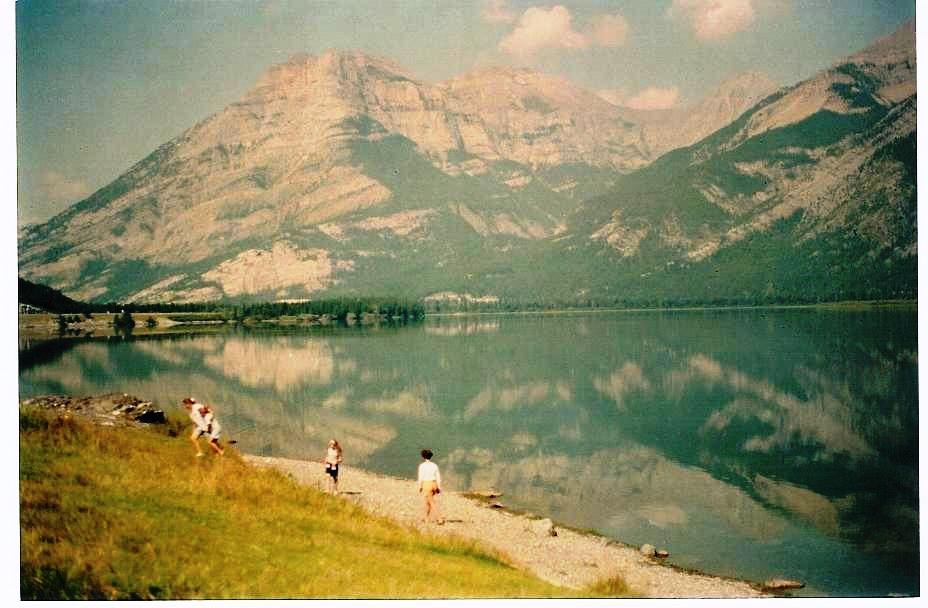
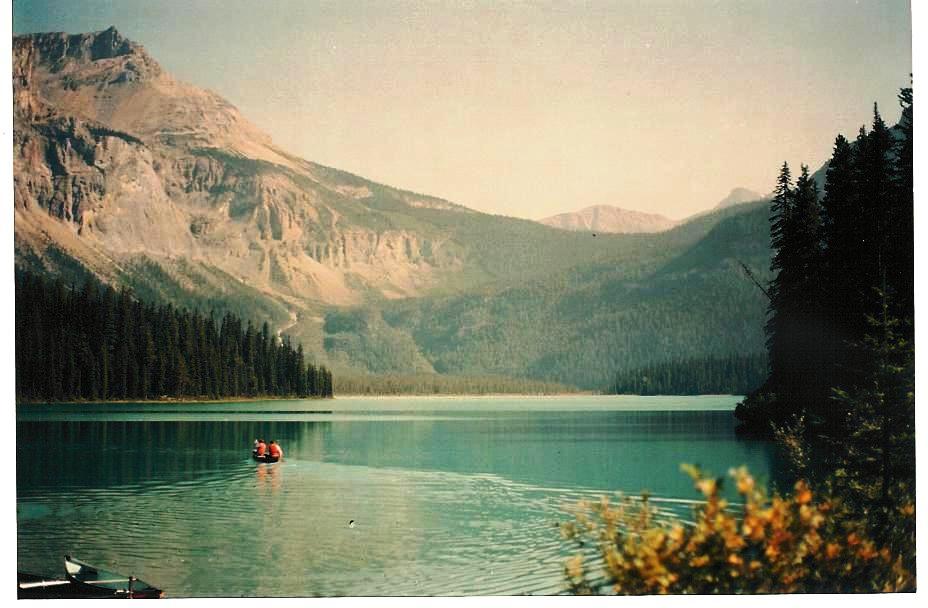
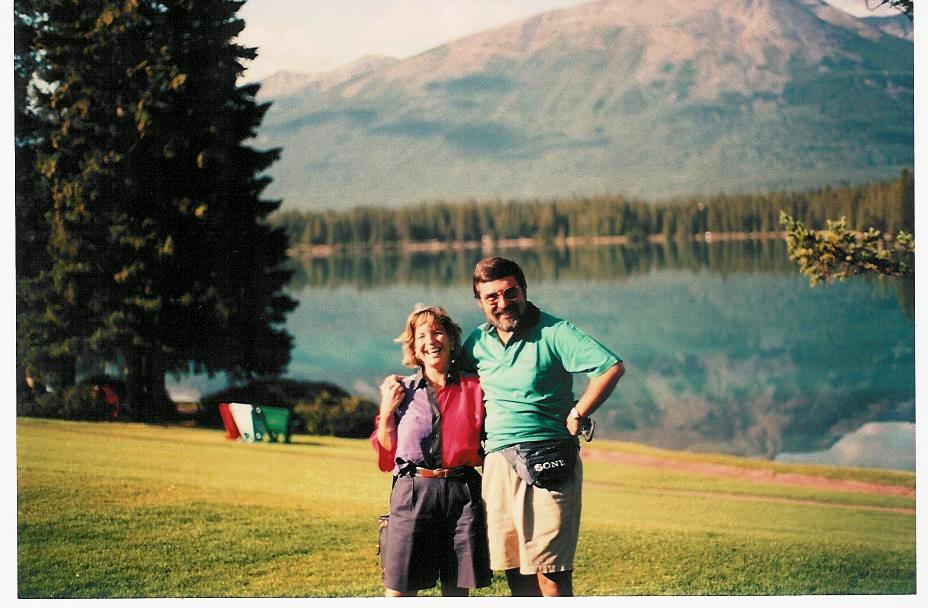
"LAKES, AND MOUNTAINS..."


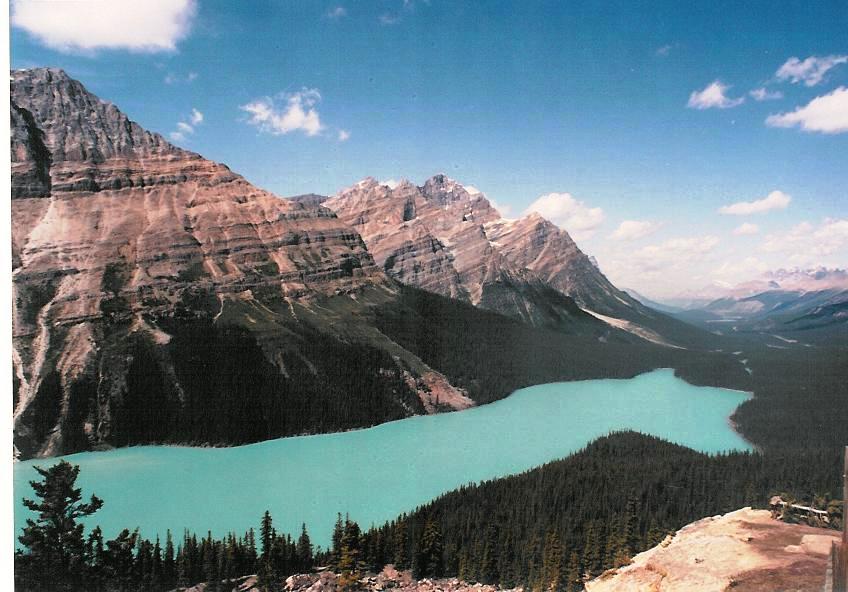
"PEYTO LAKE - Fantastic!"


"JASPER NATIONAL PARK"


"MALIGNE LAKE - Maligne Lake, located 48km southeast of Jasper, is home to a Canadian Rockies landmark: Spirit Island"

Friday, May 12, 2006

RIO!

O RIO DE JANEIRO CONTINUA LINDO... - JULY 1993

Rio de Janeiro is much more beautiful than it looks here. Anyhow, these are the only memories from a visit when there was a strange feeling of insecurity walking down the streets...


"ARRIVAL - GALEÃO - Airport, waiting for the connection to Salvador"


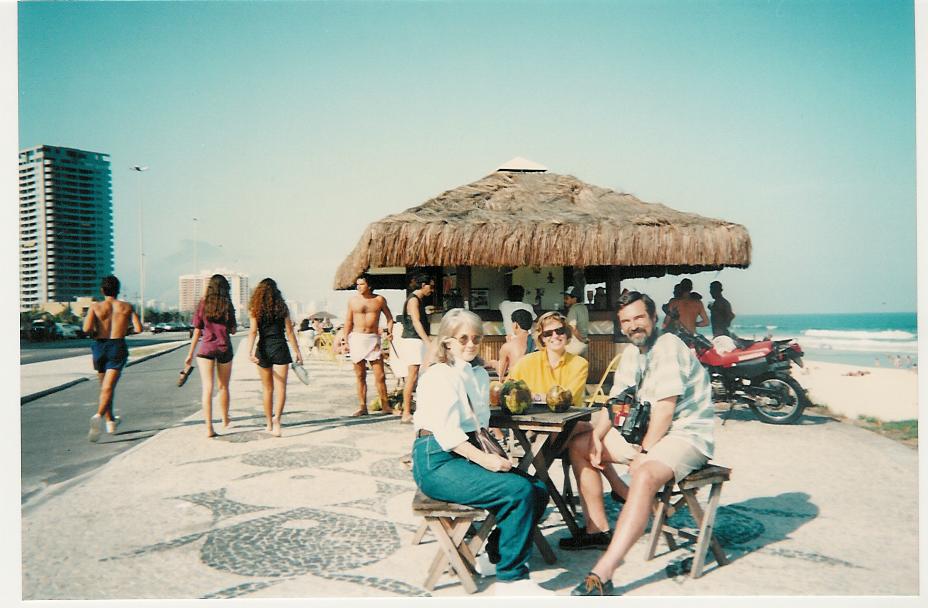
"BARRA DA TIJUCA - Brazil at its best..."


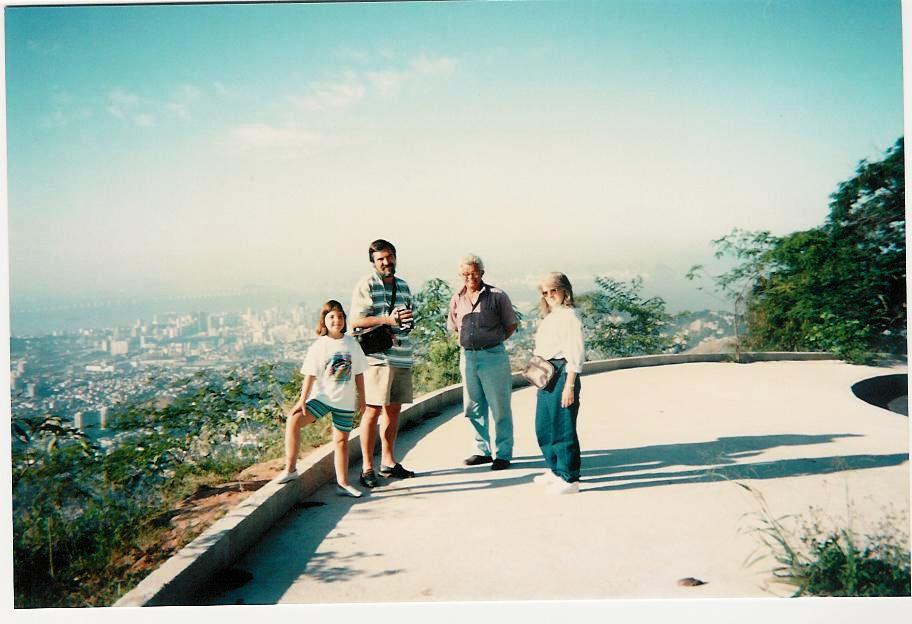
"ON THE WAY TO CORCOVADO - View over town (don't see much)..."


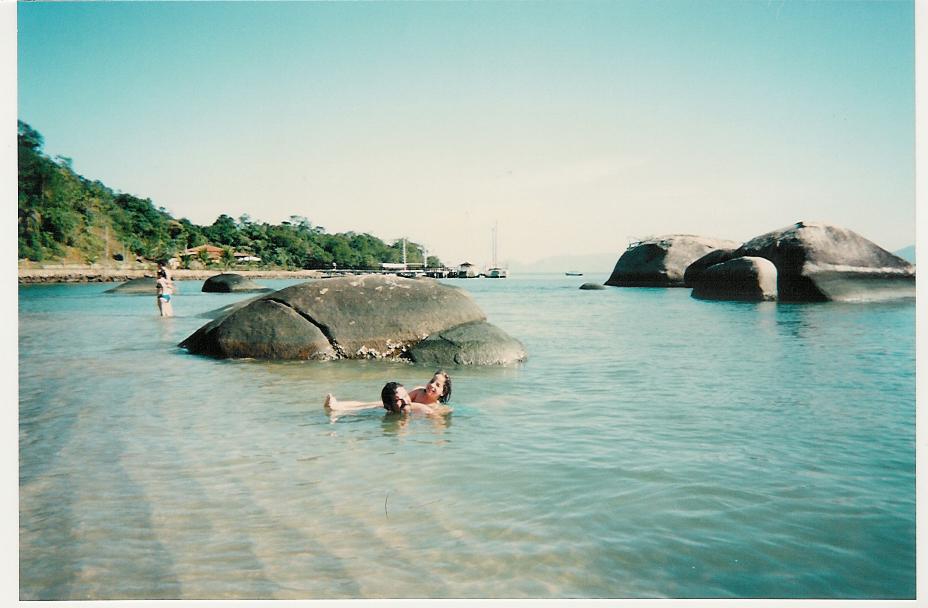
"SEPETIBA - We discovered the beauties of Sepetiba Bay in one day tour, departing from and returning to Itacuruçá Village (95 Km south Rio de Janeiro). We saw many islands - Jardim, Sororoca, Furtada, Bicho Grande, Jaguanum, Papagaio, Saracura, Bernardo, Laje Branca, Vigia... -, and jumped into water at several beaches, including Bonita Beach..."


"DEPARTURE - Two weeks later, back at Galeão Airport, now the «Antonio Carlos Jobim International Airport»"

Friday, May 05, 2006

WATER!

IGUAÇU WATERFALLS

BRAZIL - JULY 1993


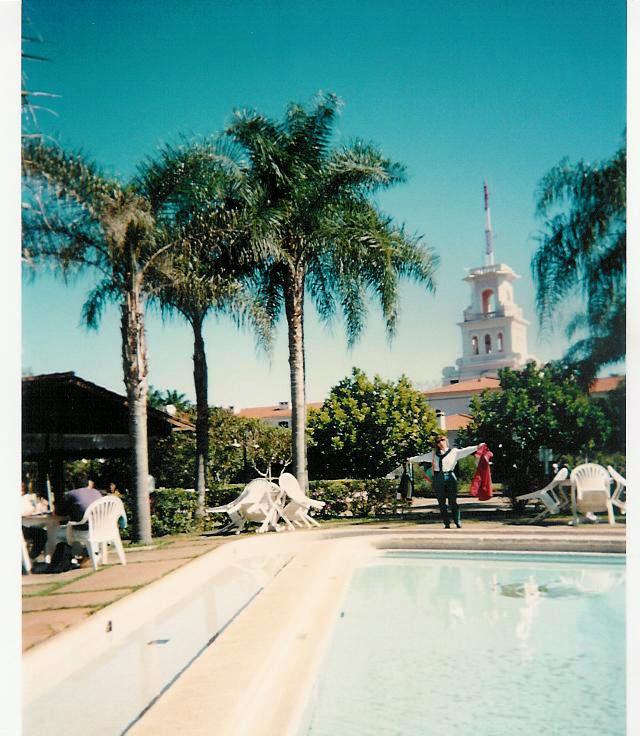
"HOTEL TROPICAL DAS CATARATAS - The Tropical Iguaçu Falls Hotel, the only one located within the Iguaçu Falls National Park area, is a very nice and convenient hotel to visit the Falls. Installed in a colonial style building with beautiful gardens, the view from some of the rooms to the waterfalls is spectacular. Anyhow, attention to the weather; though it is Brazil, it can be really cold in July and August"


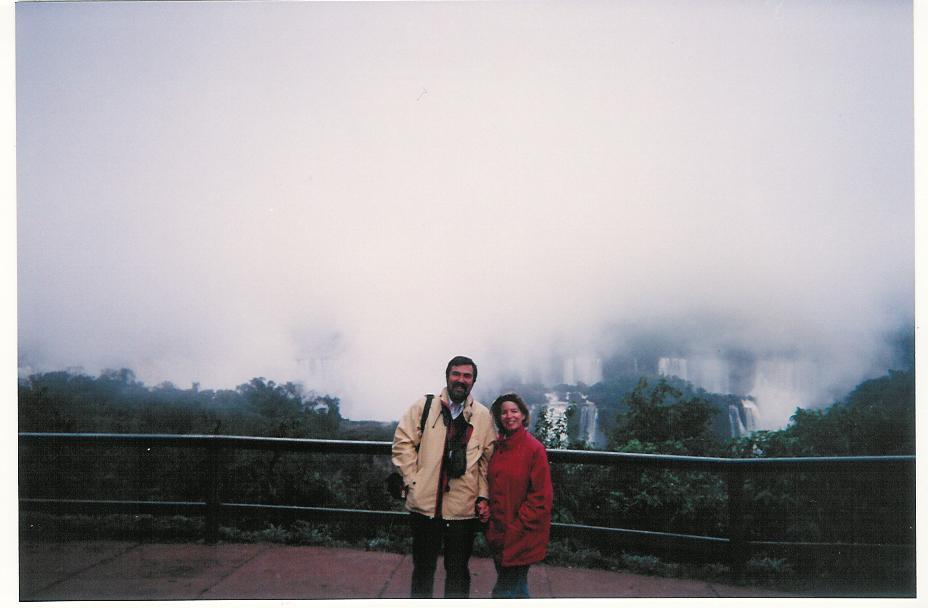
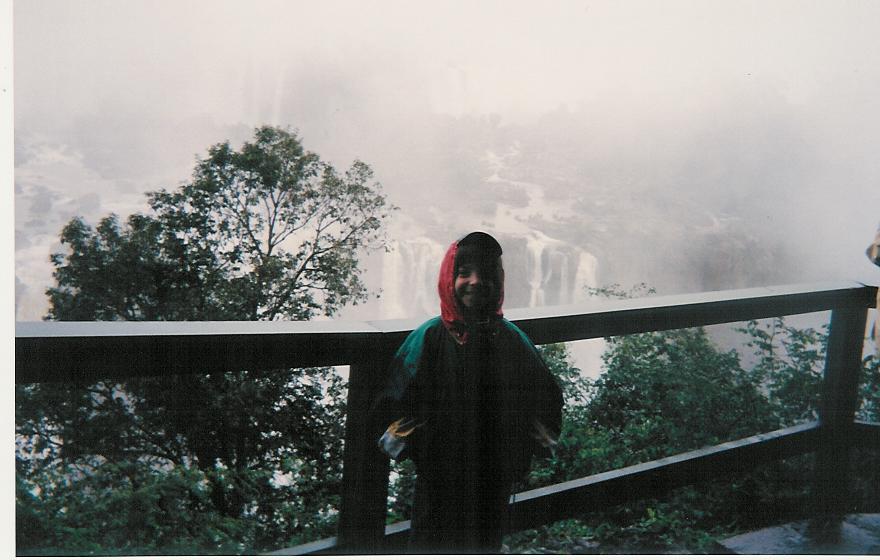
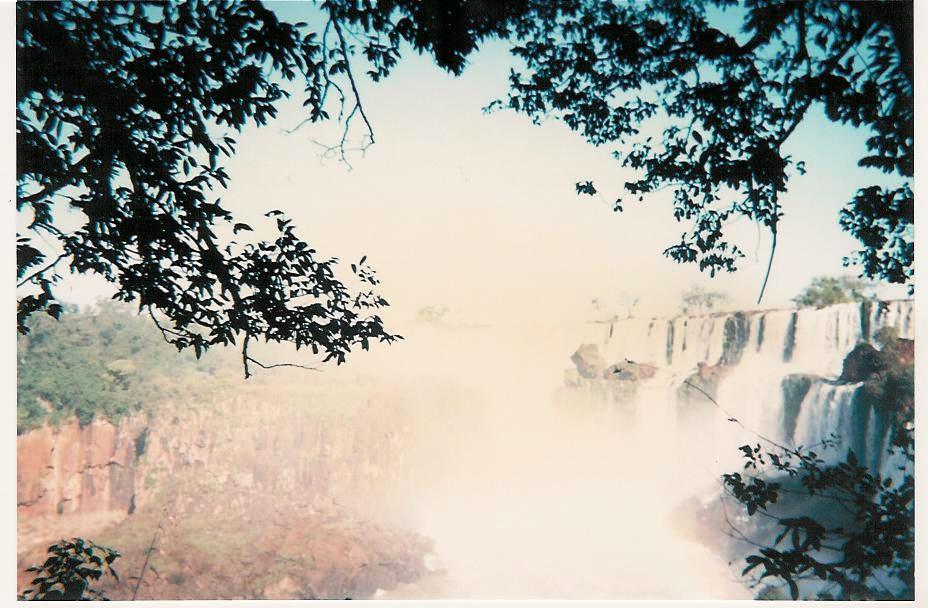
"IGUAÇU FALLS, BRAZILIAN SIDE - Most of the Falls are on the Argentinean side, so the best view is from the Brazilian side. Depending of the time of the year, one can see as many as 275 separate waterfalls cascading along the edges of 2,700 meters of cliffs - the number of Falls always depending on the actual volume of water. The biggest attraction is "Devil's Throat" (last photo), where the largest volume of water passes making a strong and impressive roar"


"IGUAZU FALLS - ARGENTINEAN SIDE - UPPER CIRCUIT - From the Upper Circuit the visitor can see the top of the Argentinean Falls, San Martin Island and part of the Brazilian side of the Falls"


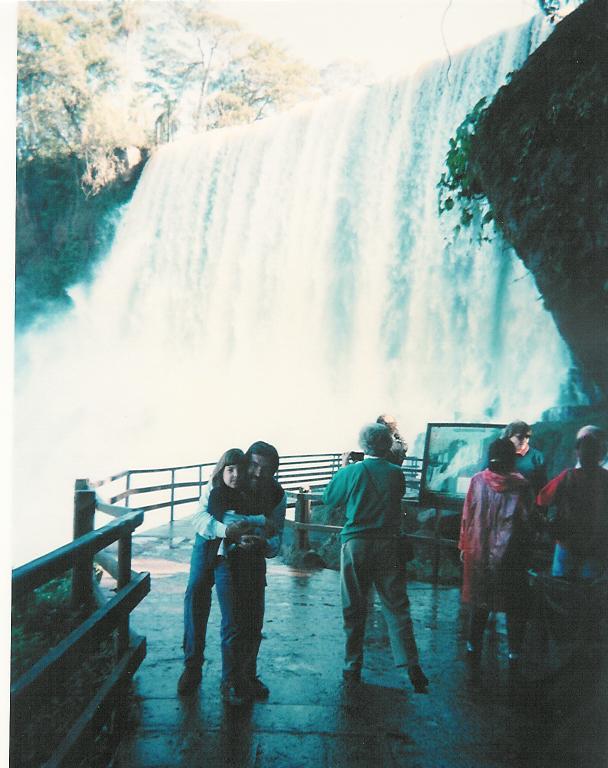
"IGUAZU FALLS - ARGENTINEAN SIDE - LOWER CIRCUIT - The Lower Circuit is a 1,300 meter long loop trail that allows the visitor to see the various smaller Argentinean waterfalls"


"THE THREE BORDERS - Approximately 23 kilometers from Iguassu Falls, the waters that flow through the largest series of waterfalls on Earth flow into the Parana River, and serve as borders between Brazil, Argentina and Paraguay!"

Sunday, April 30, 2006

MISSING!

BRASILIA, BELO HORIZONTE, CONGONHAS, OURO PRETO

BRAZIL - JULY 1993


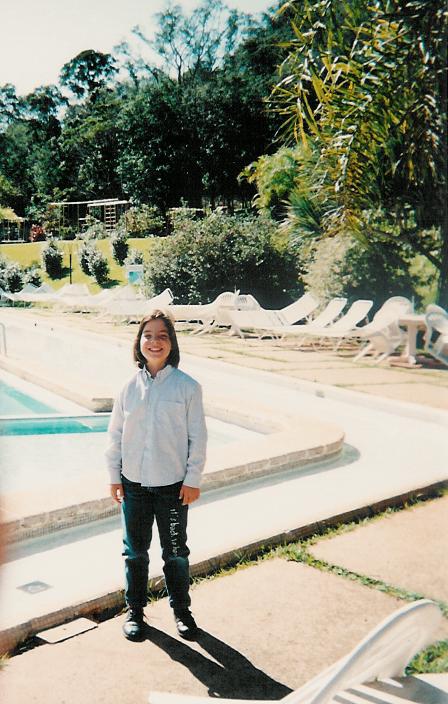
"BRASÍLIA"

From the tour of the cities mentioned above there are basically no photos at all. The only one taken (the fault is due to the always blamed video recordings) was this one, where the daughter of a friend (a lawyer from the Central Bank of Brazil), who with her brother guided us in Brasilia, appears near one of the ponds of the city.

However, Brasília, the capital city of Brazil, famous for its urban planning, and daring architecture, is worth visiting. Not that you have to spend much time, but the city itself - the concept - deserves a look. The decision to build the new capital city - an article in all republican constitutions demanded the relocation from Rio - was taken by President Juscelino Kubitschek de Oliveira. The main urban planner was Lucio Costa, most of the public buildings were designed by Oscar Niemeyer, and Roberto Burle Marx was the landscape designer. The ideas of Le Corbusier strongly influenced the city plan, which, according to Costa, was supposed to be shaped as a butterfly, though everybody says looks like an airplane.

The main axis (Eixo Monumental) of the airplane has the TV Tower, with spectacular views of the city and the lake, the Kubitschek Memorial, the National Thetre, a futuristic Cathedral designed by Niemeyer, the Esplanade of the Ministries, and the Place of the Three Powers - The Palace of the President, the Congress and the Supreme Federal Court. The wings of the airplane, named North Wing and South Wing, are each roughly 7 km in length, and the avenues between the lake and the wings, have churches, schools and hospitals. All sectors are perfectly designed - the banking sector, the hotel sector, the residential areas, etc. The residential areas are made up of blocks of three or six-storey buildings, named Quadras and Super Quadras. Each block has eleven buildings, with schools, churches and commercial streets placed in between them. Green space and trees complement the location.

Two major criticisms arose, however: one is that Brasília was not designed on a pedestrian scale. Pedestrians had to walk miles to see the monuments and even to cross the roads. The other
is that poor residents were dispplaced to far away satellite towns.

Anyhow, Brasília, which was primarily built in 41 months, from 1956 to April 21, 1960, was also included in UNESCO's World Heritage List.

***

BELO HORIZONTE

Belo Horizonte (meaning Beautiful Horizon in Portuguese), the capital of the state of Minas Gerais, is the fourth largest city in Brazil (after São Paulo, Rio de Janeiro, and Salvador. Belo Horizonte is an interesting city, with several important buildings - the Capela de São Francisco de Assis designed by Niemeyer, the Boa Viagem Cathedral, the Lourdes Basilica, the Museum of Arts and Workmanship, in an old train station, the Nossa Senhora de Fátima church, the old Governor's house (Liberty Palace), and the soccer Stadiun Mineirão, where Cruzeiro, Atlético Mineiro and América Mineiro play their games.

Minas Gerais is also part of the industrial Brazil, and is also known for its cuisine. Should you wish to try the cuisine «mineira» in Belo Horizonte, there is always the chance to eat at the restaurant of Dona Lucinha"

***

CONGONHAS

Congonhas is one of the three historical cities in the state of Minas Gerais, 90km south from Belo Horizonte. The only interesting feature is the remarkable basilica - the Sanctuary of Bom Jesus de Matosinhos - and the sculptures in «pedra sabão» - soapstone - made by Antônio Francisco Lisboa, the Aleijadinho ("Little Cripple)", one of the best artists in the baroque style in the world. The sculptures of the Twelve Prophets at the Sanctuary, as well as the Passion Figures in the six Pavillions at the bottom of the stairs are considered amongst his finest work, his crowning achievement. In 1985 Congonhas was granted the title of Cultural Memorial for Mankind by UNESCO.

***

OURO PRETO

Ouro Preto, the former Vila Rica (Rich Village), was the capital of Minas Gerais from 1822 until 1897, and is one of the most remarkable baroque cities I've seen; locals, known for not being modest, say it is «the largest baroque center in the WORLD".

Founded at the end of the 17th century, Ouro Preto (meaning Black Gold) was the focal point of Brazil's gold rush and keeps several well preserved examples of colonial architecture, including many extremely rich (gold leafed) churches. Some of the Aleijadinho's masterpieces - The Church of Sao Francisco de Assis and the façade of the Church of Nossa Senhora do Carmo - can be found in Ouro Preto. Its museums are also very rich and with beautiful pieces.

Ouro Preto was used in 1994 for the signing of the treaty amending the Treaty of Asunción (1991), which founded the Mercosul (Southern Common Market) - a free trading zone between Brazil, Argentina, Uruguay, and Paraguay. It definitely deserves a visit!
Wednesday, April 26, 2006

SAMBA!
FIRST TIME IN BRAZIL - JULY 1993

In 1993 we initiated a series of trips to Brazil, which unfortunately have been interrupted in the more recent years. During this first visit, we flew to Rio, Salvador, Brasília, Belo Horizonte (Congonhas and Ouro Preto), Iguaçu, and back to Rio, from where we returned home! The photos once again are very poor, and this time cannot even be considered a complement to the video recordings!

SALVADOR

The city of Sao Salvador da Baía de Todos os Santos, a beautiful and warm - both for the clima and for the people - place to go to, was founded in 1549, and became the first capital of Brazil until 1763, when the colonial administration was moved to Rio de Janeiro. It is a must-see in Brazil!


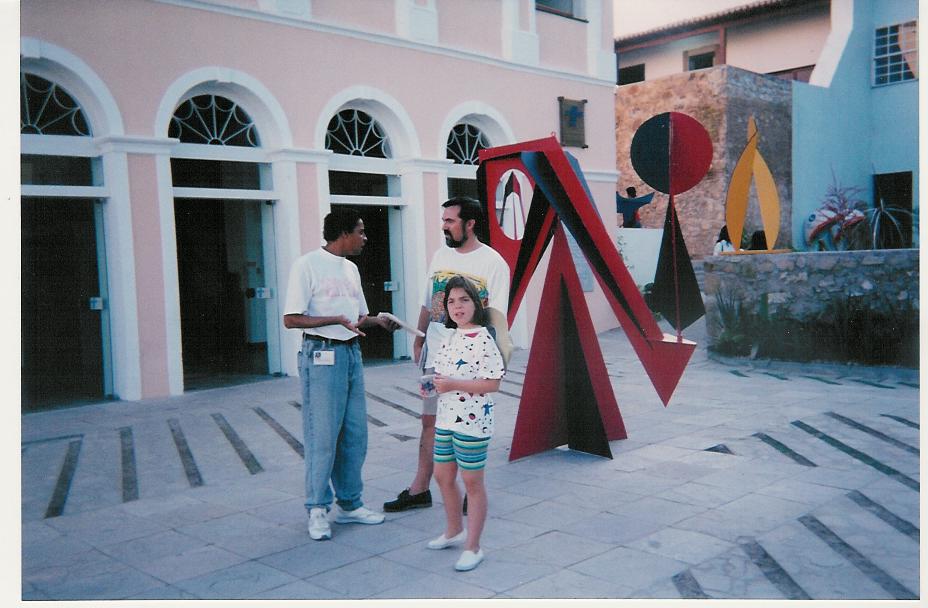
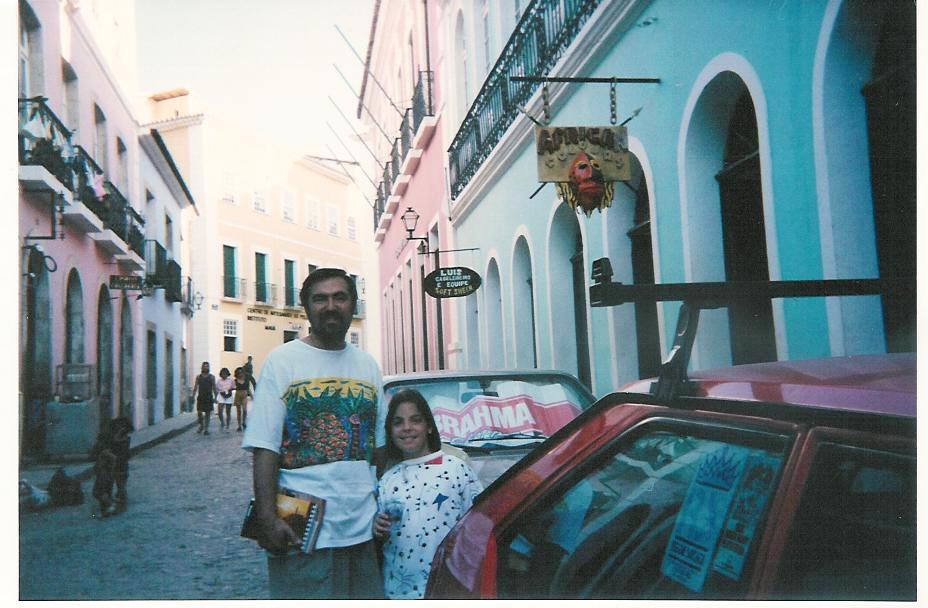
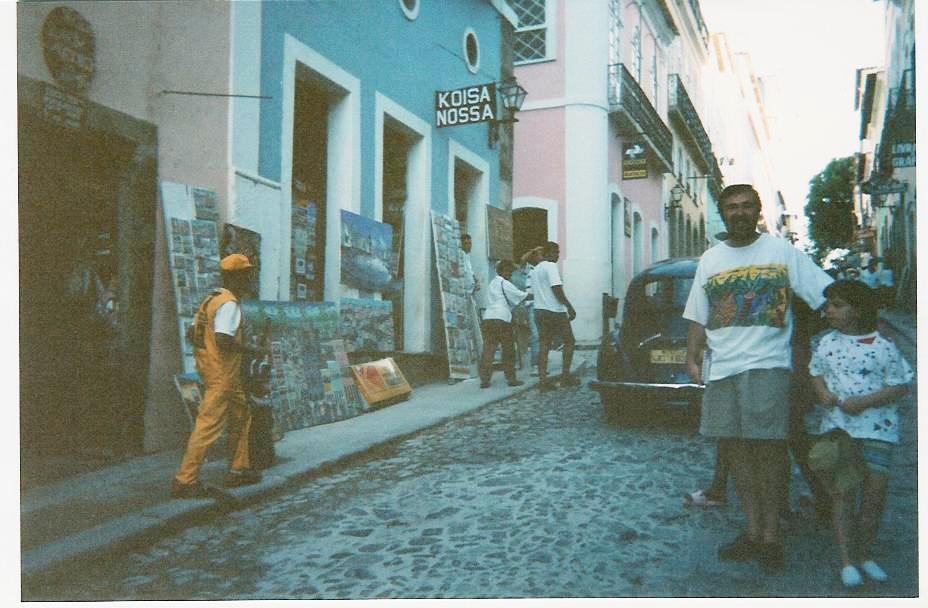
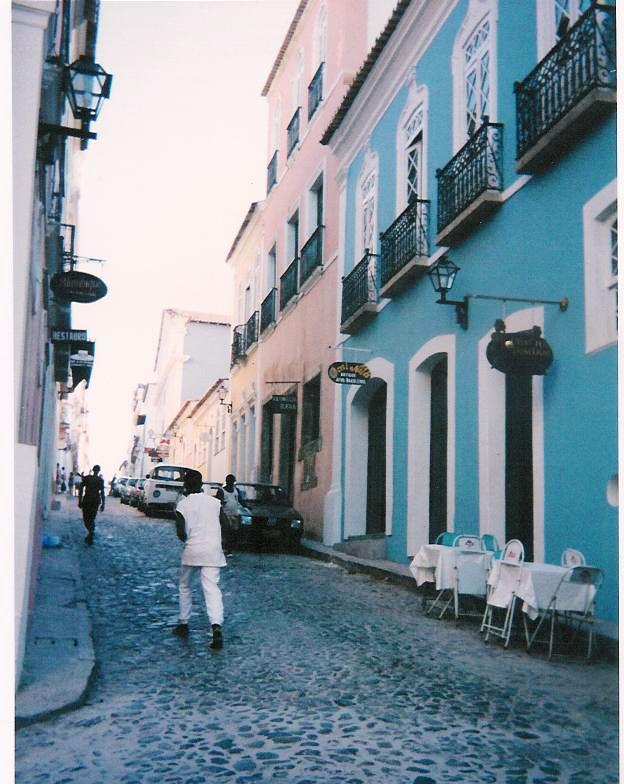
"PELOURINHO - The Historical Center, especially the Pelourinho neighborhood, with its constructions from the XVIII and XIX centuries, whose renovation had started in those times, is the heart of Sao Salvador da Baía. Bring some books from Jorge Amado, and the stay will be perfect. For our guidance in the area, we found Aloísio, a guy with the same name of the central back of F.C.Porto by that time: a perfect passport for a nice welcome"


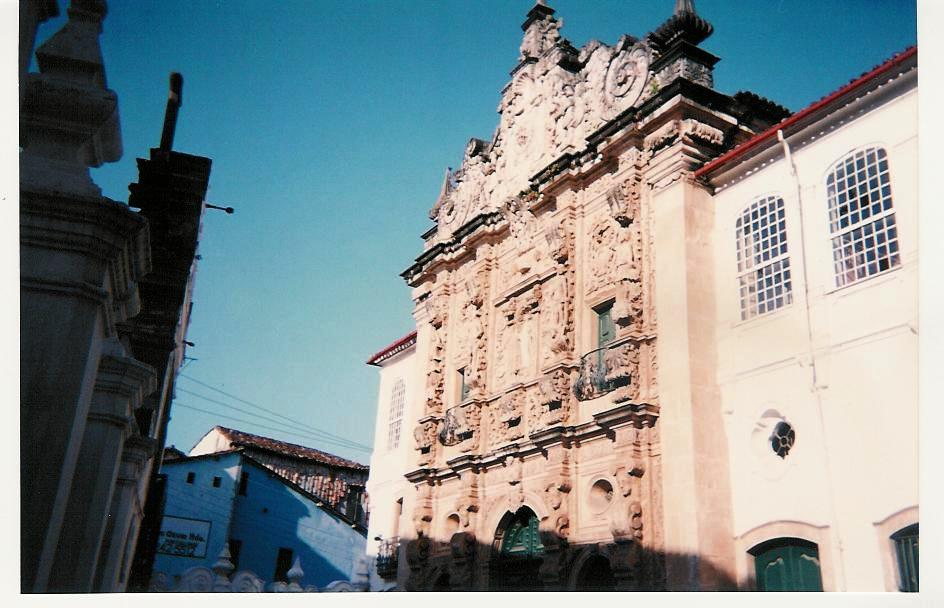
"SAO FRANCISCO - St. Francis - is probably one of the most magnificent churches (it is said that there are 365, one for each day of the year in Salvador) in Brazil, and elsewhere. One of the greatest expressions of baroque, the retables covered with gold leaves (talha dourada) and the azulejos are wonderful!"


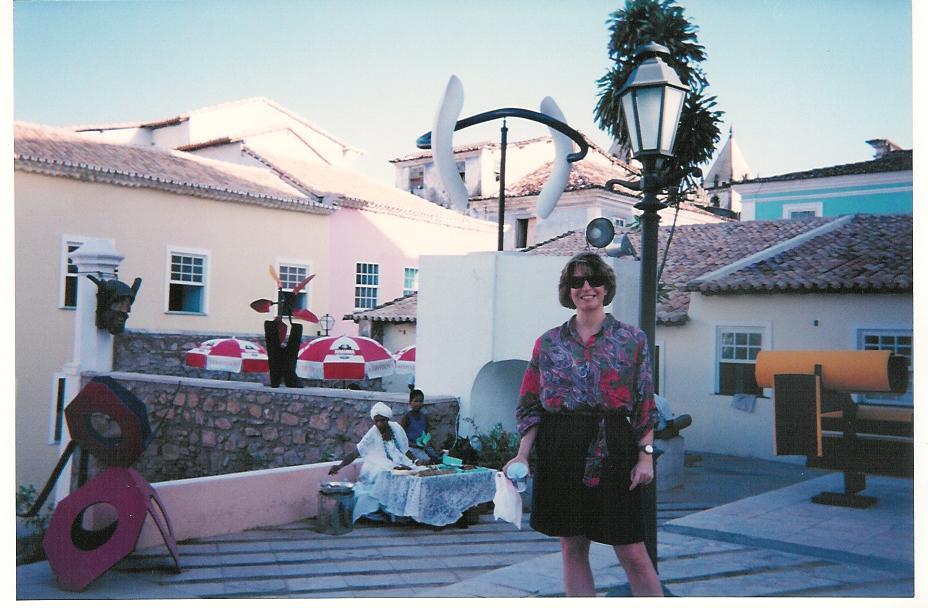
"ACARAJE - The cuisine is one of the reasons why you should pay a visit (or many) to Salvador, as it is an example of the preservation of the African cultural roots in Bahia. Acarajé (a cake of cooked beans fried in dendê-palm oil, with shrimps and pimenta - hot chili sauce) can be bought in the streets from the "baianas", and is worth trying, provided you have a stomach prepared for the experience. Other specialities include bobó de camarão (shrimp stew), vatapá (seasoned cassava meal mixed with fish or meat), and sarapatel (pig’s or sheep’s viscera and blood), but the «piece de resistance» is the Moqueca (fish or shrimp stew with spicy seasonings) the driving force of the local cuisine. And the best Moqueca de camarão of the world (I tell you) can be found at the Iemanjá restaurant, after the Rio Vermelho, on the way to Itapoã and the airport. Don't miss!"


"BAY OF ALL SAINTS. The Bay is immense, but the picture does not honour the view"


"CAPOEIRA - At the top of Elevador Lacerda, we were presented with an amateur capoeira demonstration. Beware of pickpockets..."


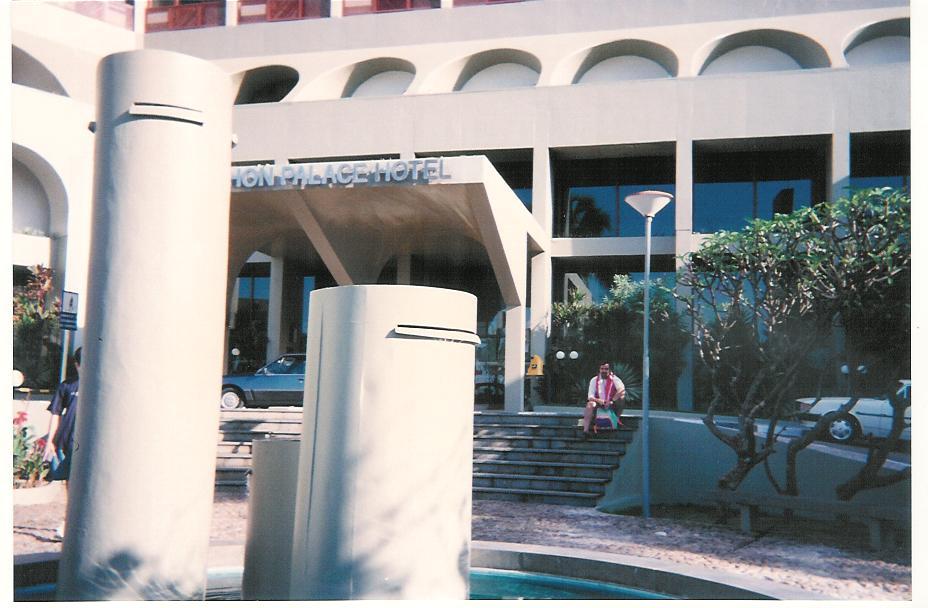
"OTHON PALACE HOTEL - Waiting for an excursion to Frades and Itaparica Islands"

Saturday, April 15, 2006

FIRST RTW TRIP - RETURN HOME

TAHITI - DISNEYLAND - SEPTEMBER 1992

After Sydney, we were supposed to fly to Fiji Islands. However, when we arrived to the airport, we learned that the travel agency had issued our air tickets without even bothering to inform that there was a need of a visa to get to Fiji. As Hawaii had just been smashed by the terrible hurricane Enid (Iniki, in Hawaiian), and there was no need of a visa to fly to Tahiti, we changed our plans and went to Papeete, before heading to LA and Disneyland. Fortunately, we managed to cancel hotel and cruise reservations without charges, but the distress was high! The remaining photos of this journey are far from interesting. They are here, however, only to testify the remaining stops of the first round the world trip (from Zurich, there are none)!

***

TAHITI


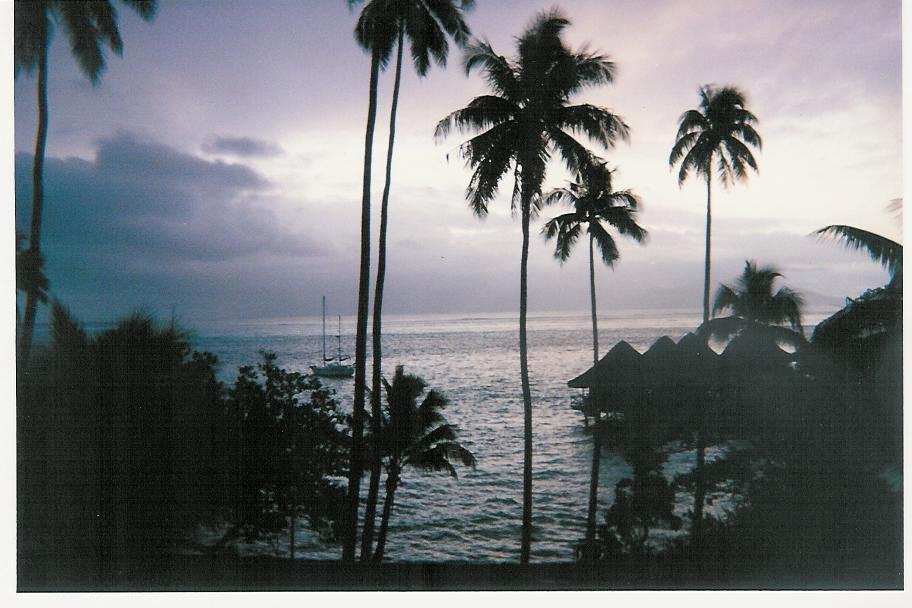
"INTERCONTINENTAL HOTEL - We were at a nice "fare" with a fabulous view towards Moorea. But the wind, the sea - too rough for a lagoon -, and the rain moved us to the main building"

***

DISNEYLAND


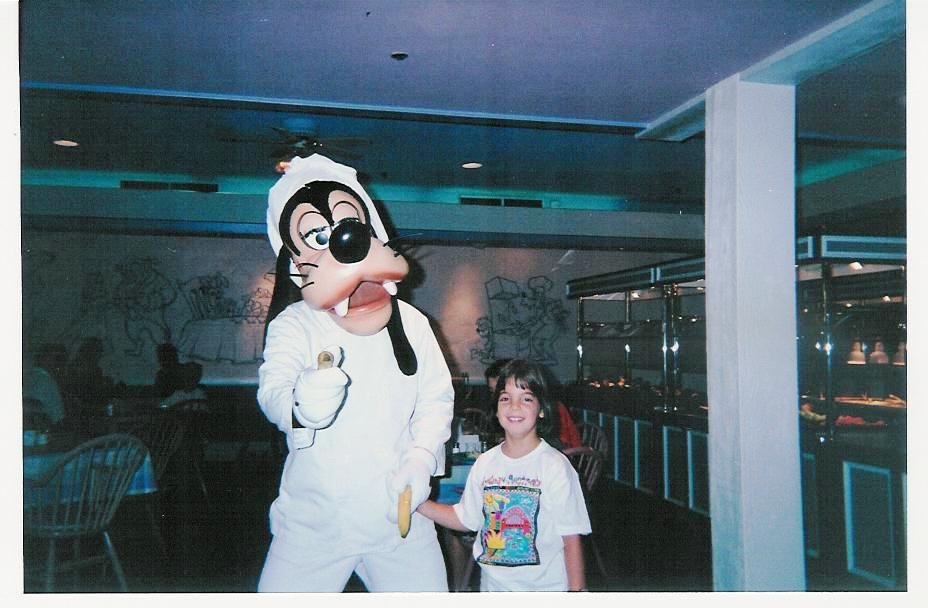
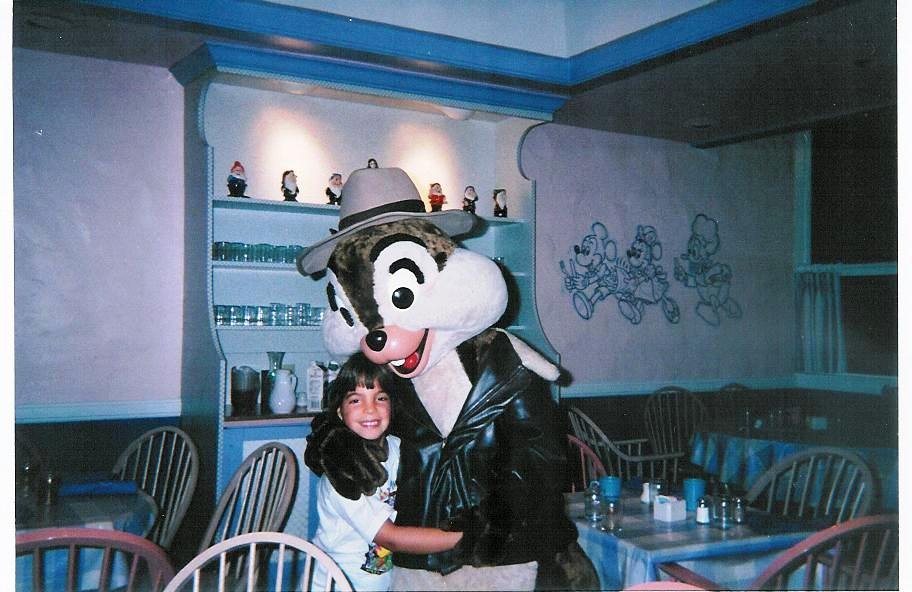
"BREAKFAST at the Disneyland Hotel, with Disney characters"


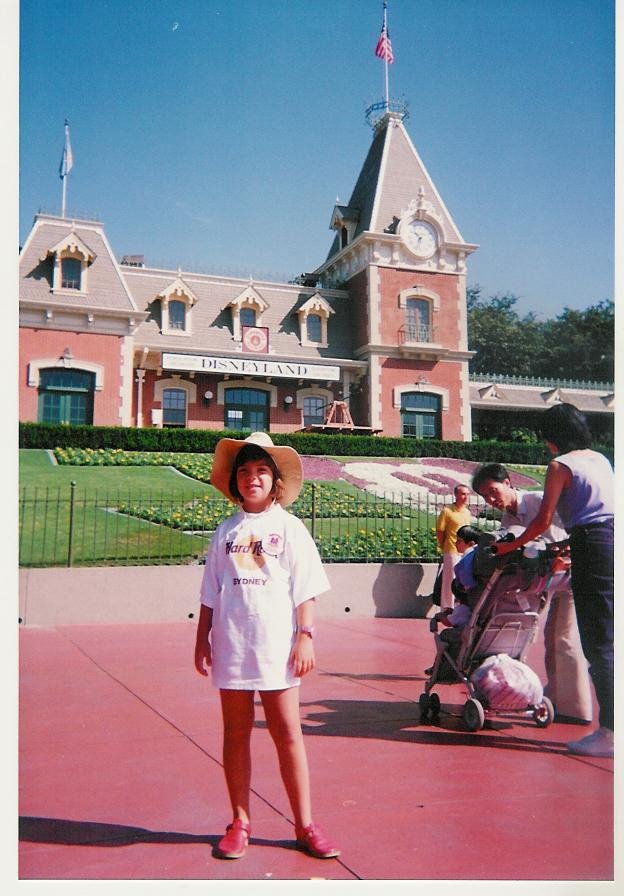
"ENTERING DISNEYLAND - What an excitement"


"THREE DAYS, FOUR NIGHTS strolling around. Much of a surprise, even for returning adults"