Showing posts with label Germany. Show all posts

Sunday, February 12, 2012

FRANKFURT AM MAIN

BEFORE THE EUROPEAN CENTRAL BANK - JULY 1997

This was Frankfurt, when the European Central Bank was only the European Monetary Institute... ;)


"THE MAIN RIVER - From the Intercontinental Hotel"


"STÄDEL MUSEUM"


"FRIEDENSBRÜCKE - View from the Intercontinental""


"COMMERZBANK and Untermainkai"


"PREPARING TO TOUR"


"RIVER CRUISE"


"RÖMERBERG PLACE"


"THE RÖMER - The old city hall or Rathaus for more than 600 years is one of the most important city's landmarks. The Römer family sold it to the city council in March 1405..."


"SHOPPING? - Better visit the Eschenheimer Tower, a city gate part of the late-medieval fortifications. The tower, built at the beginning of the fifteenth century, is at once the oldest and most unaltered building in the city centre"


"THE OLD OPERA HOUSE"


"CURRENTLY THE EUROPEAN CENTRAL BANK, Then the European Monetary Institute..."

Sunday, November 26, 2006

GERMAN SEMINAR

DEUTSCHE BUNDESBANK FACHHOCHSCHULE - OCTOBER 1995

After the vacations in Madeira and Porto Santo, in September 1995 I went once to Frankfurt and once to Paris. Then, in early October, I went to Amsterdam and Brussels, and again to New York. On October 20th, 1995, I had a meeting at the European Monetary Institute. I flew home that night, just to return to Frankfurt on the 22nd, this time to go to the Deutsche Bundesbank Fachhochschule, for a seminar on the Law Governing Central Banks. There are a few photos from the event. The seminar was held in German and took place at the Hachenburg Schloss.

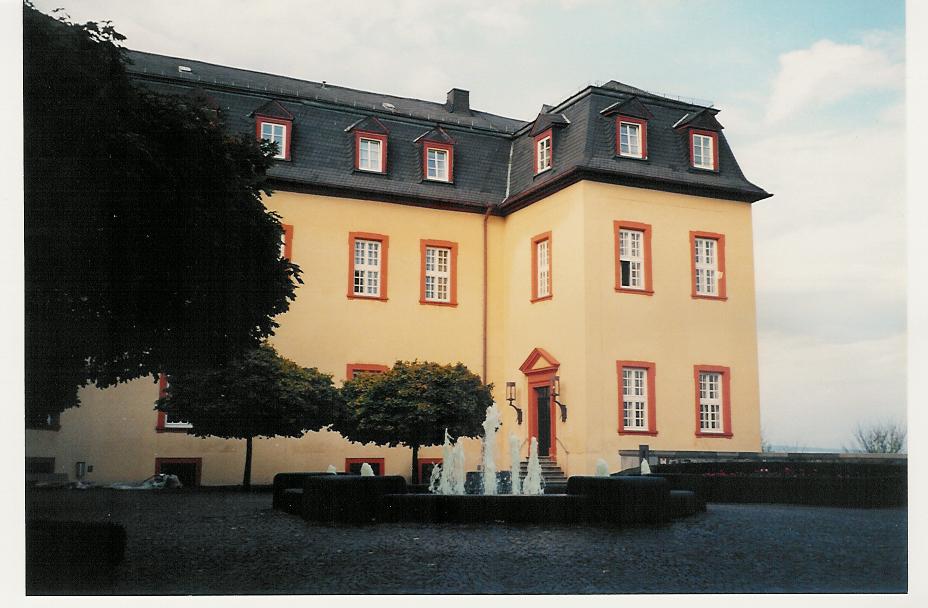
The Hachenburg Castle was first mentioned in 1222. Between 1717 and 1746, Georg Friedrich Graf zu Sayn decided to rebuild the old castle and it became then a baroque residence. In the nineteenth century, the castle belonged to the Dukedom of Nassau and later to the Kingdom of Prussia. From the beginning of the twentieth century there had been a forestry school in the Upper Castle, though the lack of money led to its gradual deterioration. In 1946 the castle became the property of the Federal State of Rhineland-Palatinate. It was sold in 1971 to the "Castle Hachenburg GmbH" to be converted into a hotel and owner-occupied apartments but in 1974 the company went bankrupt. The castle was put up for compulsory auction and was purchased by the Deutsche Bundesbank. The castle was rebuilt and entered use as a centre for basic and advanced vocational training centre.


"THE HISTORICAL STAIRCASE"


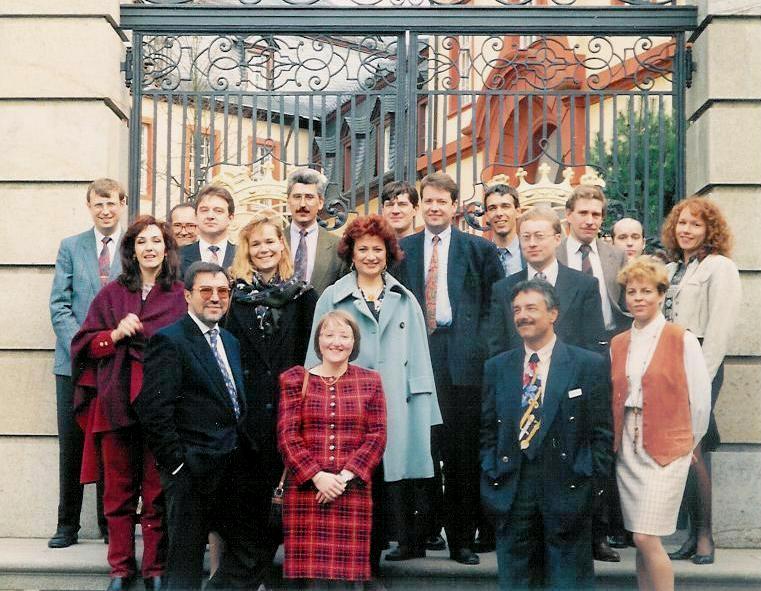
"THE GARDEN GATE - the group does not allow seeing the gilt metalwork which shows the initials of Georg Friedrich Burggraf von Kirchberg and of Sophie Amalie Burggräfin von Kirchberg Gräfin von Nassau-Saarbrücken..."


"THE TEN O'CLOCK GATE - Group at the gatehouse that used to be closed at 10:00 p.m.; thus the denomination"


"FOUNTAIN at the Castle's upper courtyard. This is what you see when you enter the ten o'clock gate"

Saturday, March 04, 2006

BERLIN - EAST MET WEST!

THREE YEARS AFTER THE FALL OF THE WALL

BERLIN - AUGUST 1992

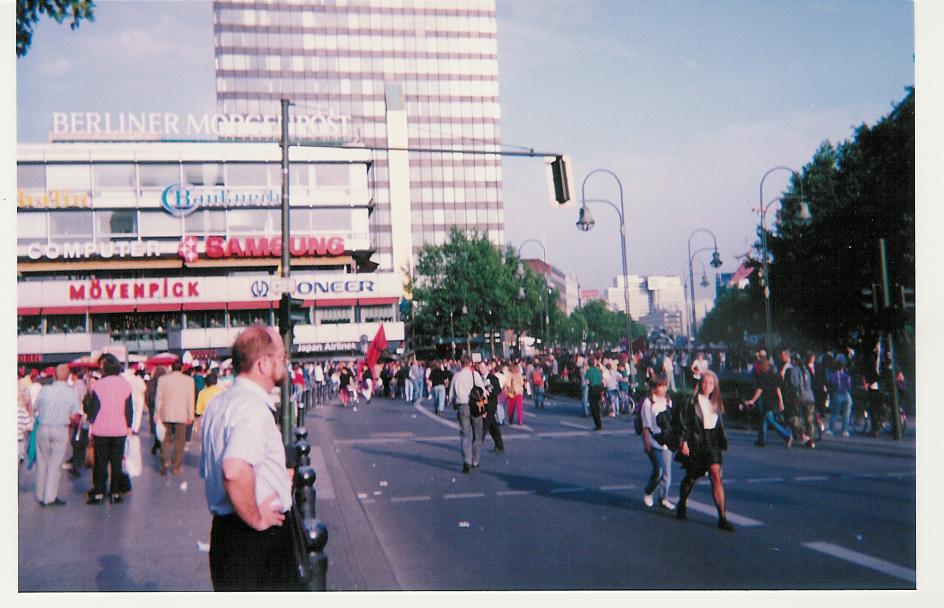
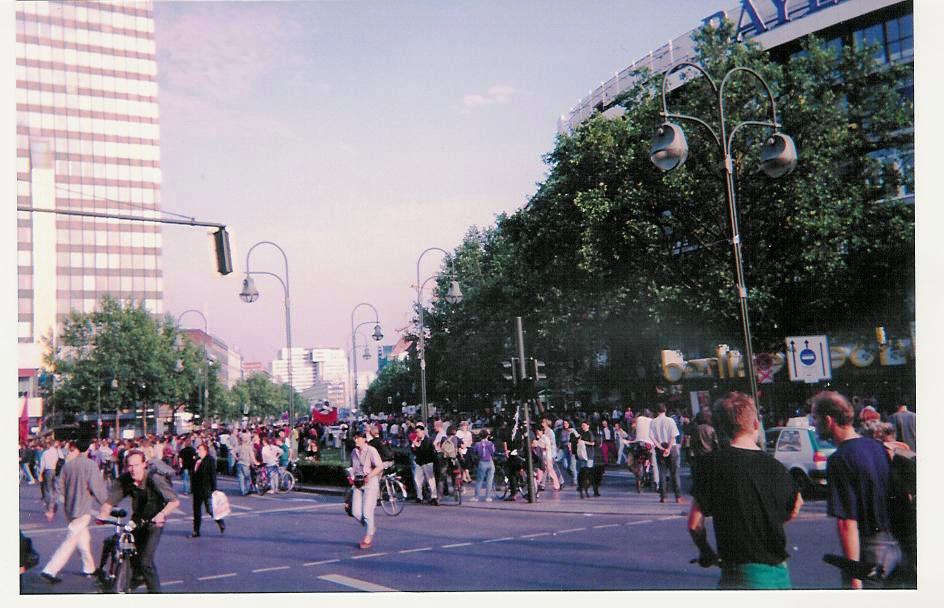
On August 13, 1961, a wall was erected between East and West Berlin. It lasted until November 9, 1989, when Berliners from East started crossing and demolishing the wall. On October 3, 1990, German reunification became a reality in international law.


"K-DAM - Three years after the fall, there were demonstrations on Kurfurstendam"


"K-DAM - Kurfurstendam, Berlin's most famous shopping boulevard: inside a shopping mall"


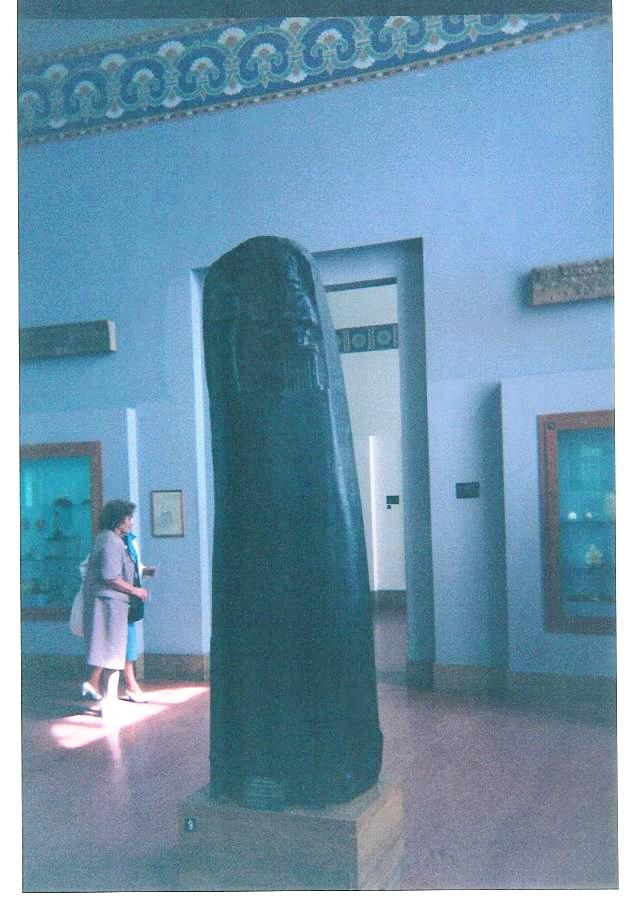
HAMMURABI CODE - The five Museums in the Museum Island in Berlin (Old Museum, New Museum, Old National Gallery, Bode Museum and Pergamon Museum) are fabulous. The Pergamon, for example, hosts some incredible pieces too large to be caught in a single photo: The Pergamon Altar, the Market Gate of Miletus, the Ishtar Gate and the Procession Street of Babylon, and the Mshatta Facade. It also keeps a copy (original in the Louvre Museum) of the famous stela bearing the laws of King Hammurabi (1792 BC-1750 BC) of Mesopotamia - The Hammurabi Code. It is the earliest known complete set of codified laws, but not the earliest laws, since a portion of the older Code of Lipit-Ishtar, circa 1868 B.C., was discovered in the 1930's"


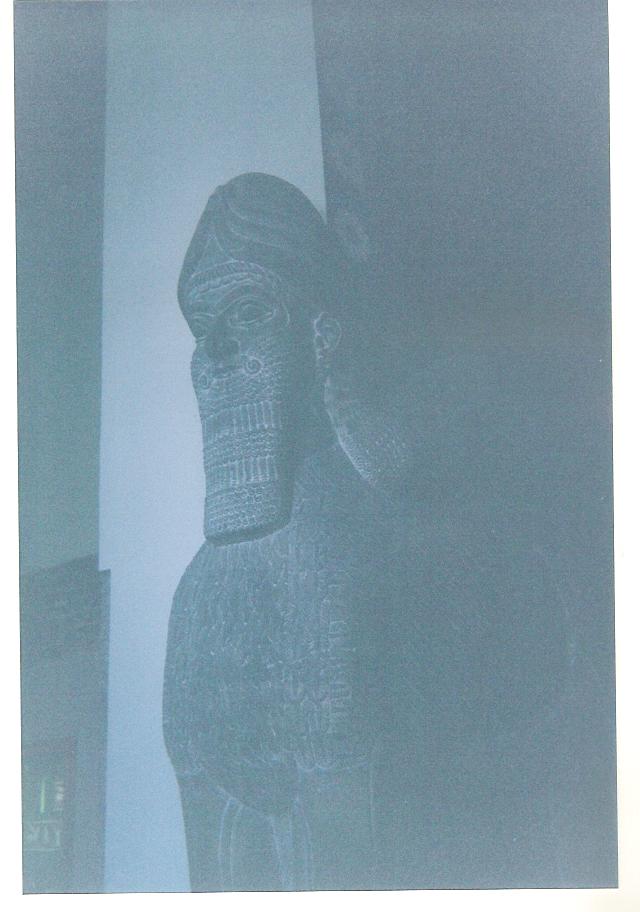
"ASSYRIANS - The entrance to the reconstructed Neo-Assyrian palace hall is dominated by replicas of the colossal gatekeeping statues of mythical beasts"


"EAST BERLIN - Nothing special"


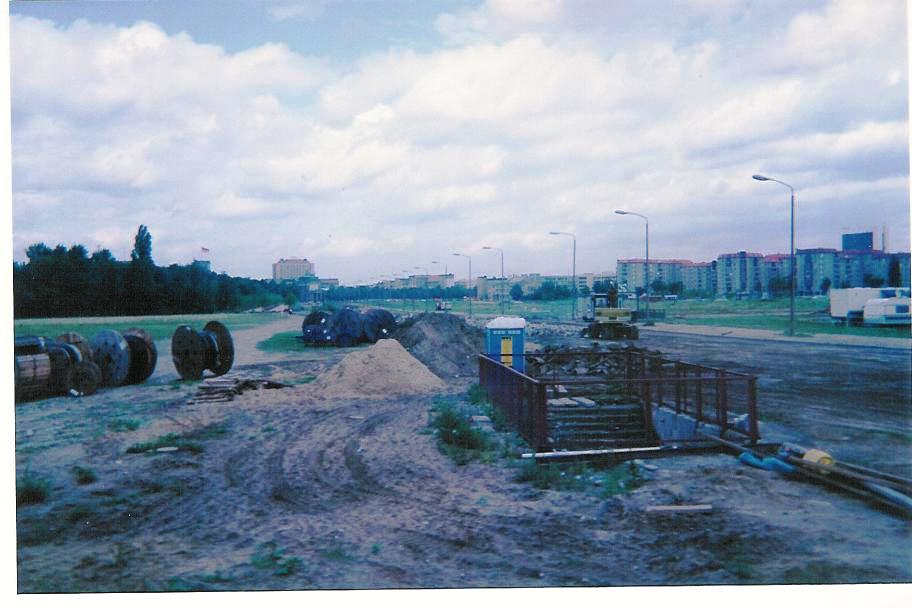
"NO MAN'S LAND - It will hopefully look nicer almost fifteen years later"


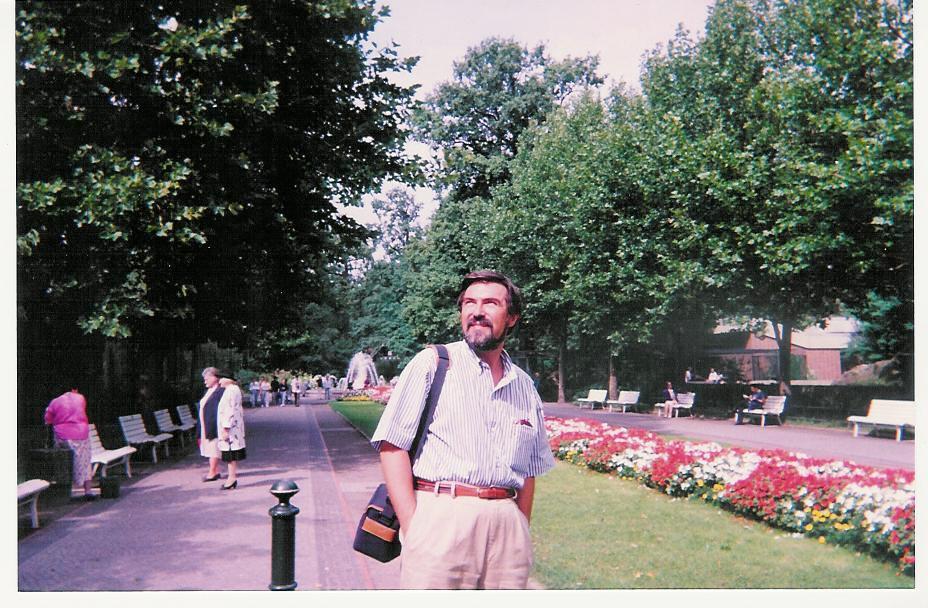
"ZOO - On a sunny day"


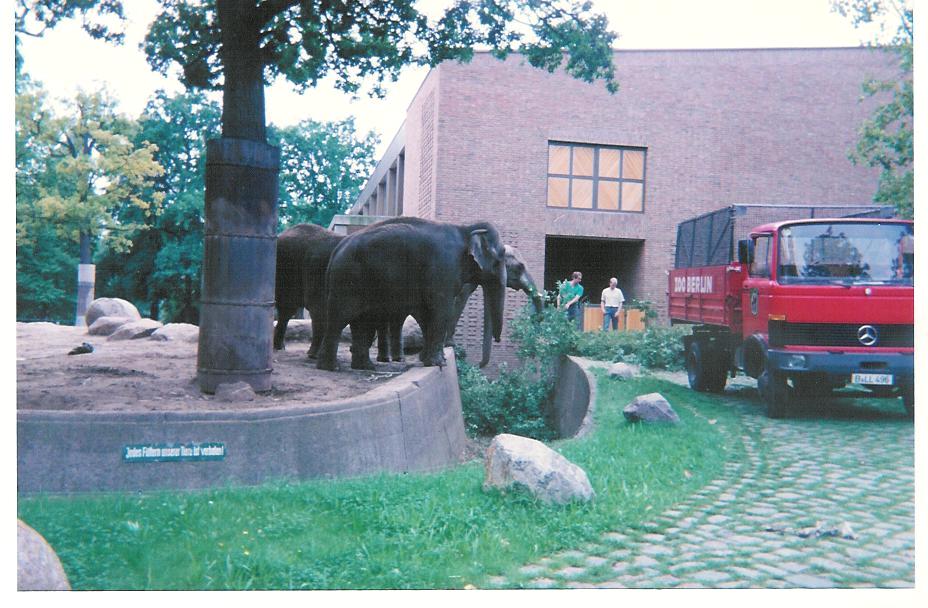
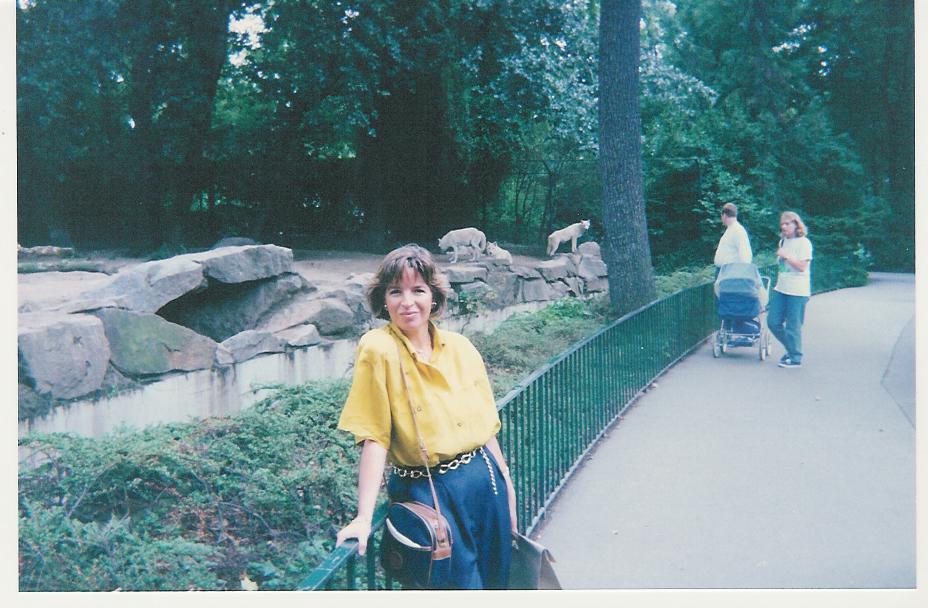
"ZOO - Elephants and wolfes"


"U-BAHN - Zoologischer Garten"


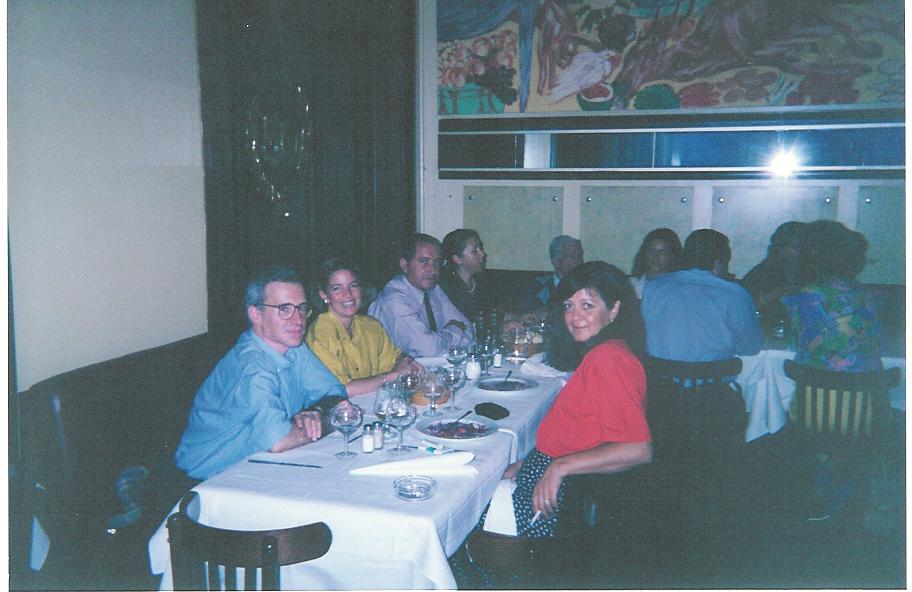
"UIA CONFERENCE - Portuguese lawyers (and some accompanying non-lawyers) dining in Berlin"

***

POTSDAM

Potsdam, the capital city of the State of Brandenburg is one of the most beautiful cities in Germany. It's most popular sight is the Sanssouci palace, the former summer residency of Frederick the Great, King of Prussia, located in the park to which it gives its name.


"PARK SANSSOUCI - The 287ha large park around the palace consists of several different gardens, all with many statues and fountains. Here we see the gardens from the steps the Palace's steps"


"SANSSOUCI PALACE (Without Worry) - A small rococo palace on the top of a hill. With 500 ha of parks and 150 buildings constructed between 1730 and 1916, Potsdam's complex of palaces and parks was inscribed in the Unesco World Heritage List. Voltaire stayed at the Sanssouci Palace, built under Frederick II between 1745 and 1747.


"SANSSOUCI - Voltaire visited the palace, and it is said that one of the most fascinating rooms was his room!"

Saturday, January 28, 2006

ALSACE AND BLACK FOREST

END OF SUMMER - SEPTEMBER 1990

ALSACE


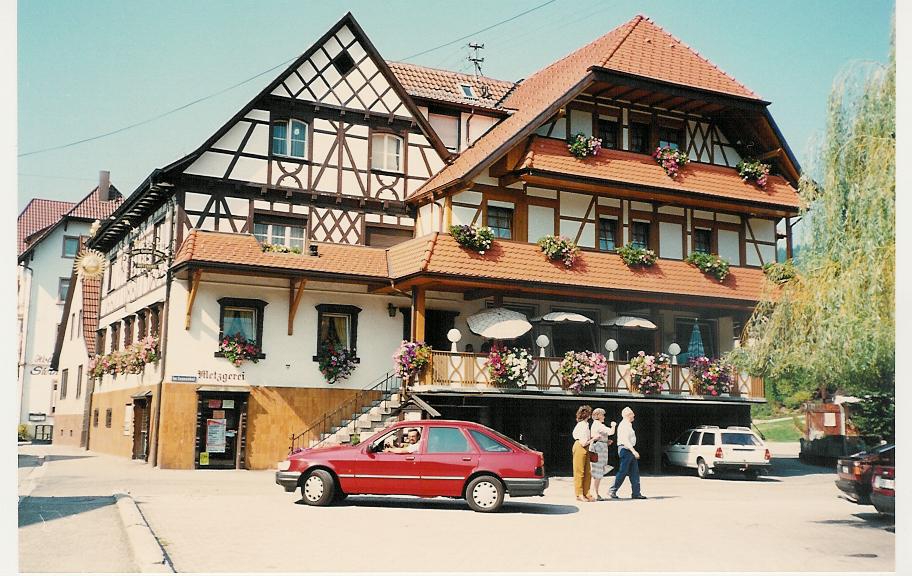
"COUNTRYSIDE - Beautiful anyway"


"FORD SIERRA COSWORTH- 200Km/H and more in the German highways, without infringing the Law..."


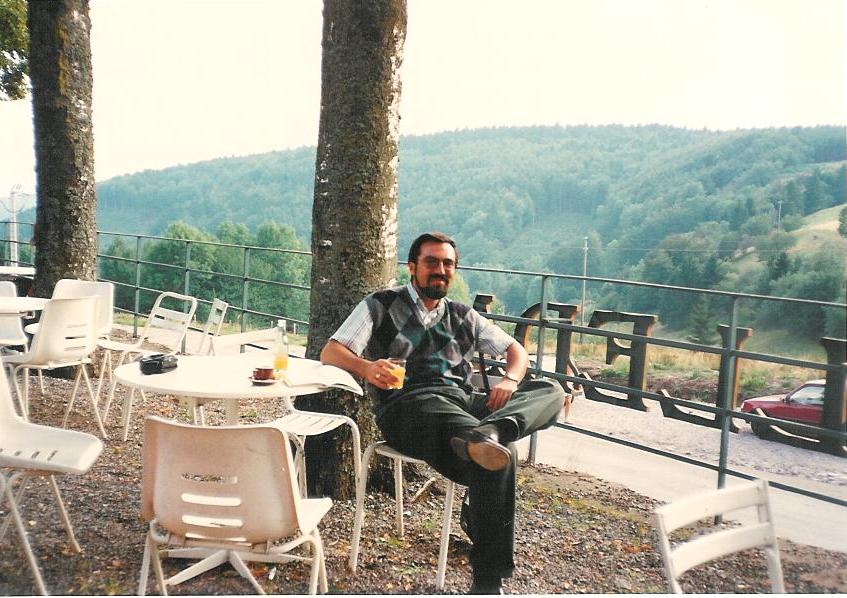
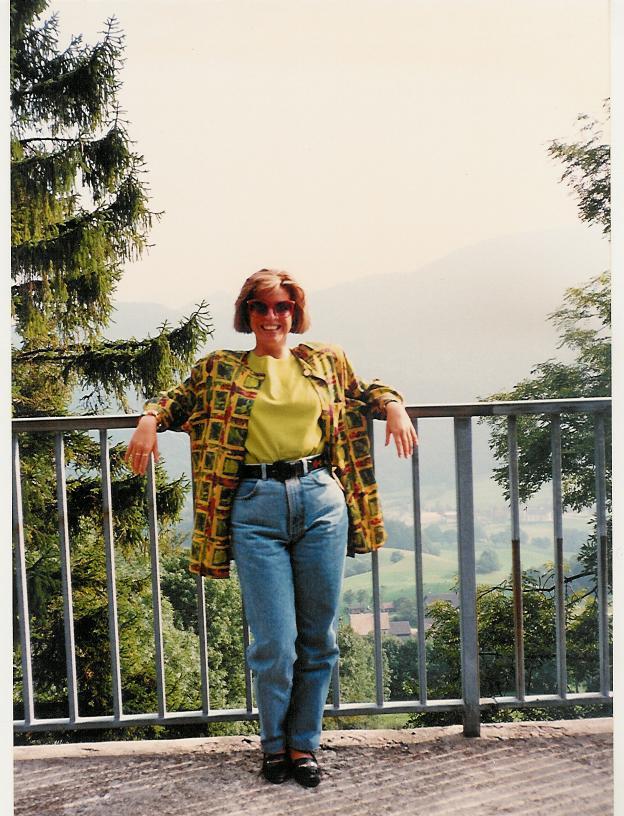
"REST with a nice view"

***


BADEN-BADEN

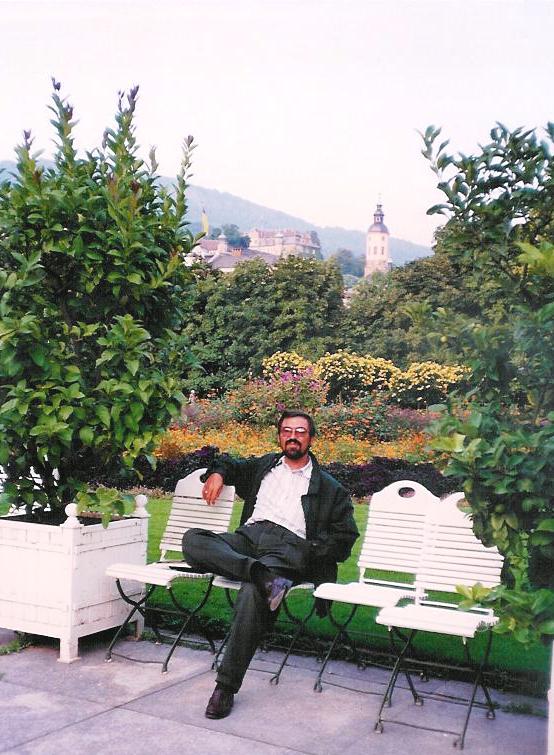
"SO GOOD THAT THEY NAMED IT TWICE"


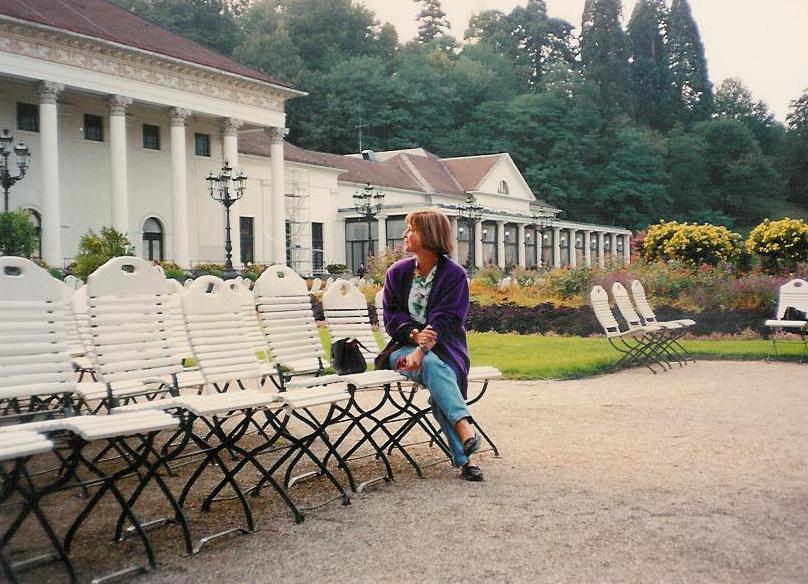
"KURHAUS - Built between 1821 and 1824, it keeps its its unique Belle Epoche elegance"


"NEUES SCHLOSS, situated on the Florentinerberg, is the former residence of the Margraves of Baden"

***


FREIBURG

THE SUNNY CAPITAL OF THE BLACK FOREST IS ONE OF THE MOST COLOURFUL CITIES IN BADEN-WÜRTTEMBERG


"MÜNSTERPLATZ with its colourful morning market. Up until 1785 the square was surrounded by a wall and in the Middle Ages it was also used as a cemetery"


"FREIBURG'S «BÄCHLE», little streams running through gullies, are one of the historic old town's trademarks. Some say they were originally designed to supply the city with water, and for sewage; others say they served for watering cattle and, above all, as a fire precaution. The legend is that those who accidentally step into one of them will marry a Freiburger"


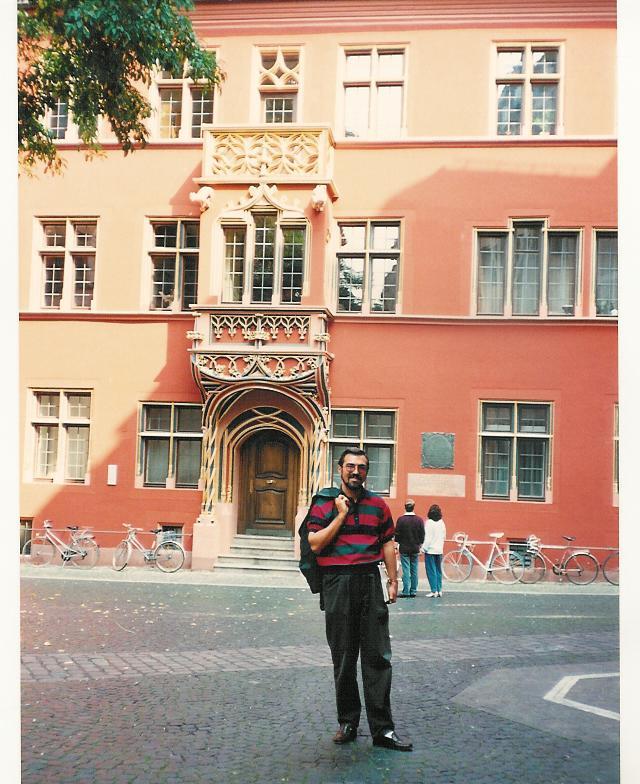
"HAUS ZUM WALFISCH - In the Franziskanergasse stands the beautiful House of the Whale, with its splendid late Gothic doorway. Built in 1514-15 for Jakob Villinger, Chancellor of Emperor Maximilian I. It was the home of Erasmus of Rotterdam, when he had to leave Basle after the Reformation in 1529"


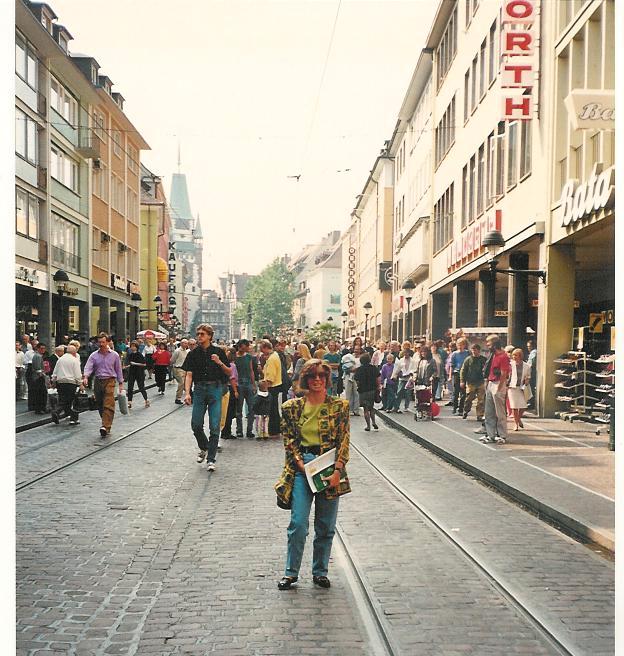
"KAISER JOSEPH STRASSE - Freiburg's main street, lined by arcades built since the war, was the central marketplace in the Middle Ages with wooden buildings known as "Lauben" down its centre. The "Große Gaß" is bounded to the South by the Martinstor to which further storeys were added in 1901/03. The Christoffeltor to the North was torn down in 1704"


"MARTINSTOR is to the southwest, and marks the border to Freiburg's historic city centre"

***


SCHWARZWALD


"BLACK FOREST is a wooded mountain range in Baden-Württemberg, bordered by the Rhine valley to the west and south, with an highest peak - the Feldberg - at 1,493 meters. The name Black Forest comes from the dark color of the pine trees growing in the region"


"BLACK FOREST is also the English name for the dessert Schwarzwälder Kirschtorte. Black Forest gateau consists of several layers of chocolate cake, with whipped cream and cherries between each layer. These layers are topped with additional whipped cream, maraschino cherries, and chocolate shavings. Traditionally, the cake is saturated with Kirschwasser. In the USA, Black Forest gateau is usually prepared without alcohol... Guess why?"

Saturday, January 21, 2006

HEIDELBERG - OVER 800 YEARS OF HISTORY

HEIDELBERG, CITY OF THE FUTURE? - SEPTEMBER 1990

The oldest university in Germany (1386), a castle, an old town and a river, all set amidst hills, make Heidelberg one of the most beautiful cities in Germany. Roughly 140,000 inhabitants, including 28000 students, live in almost 110 square kilometres of this open minded city, with modern research facilities.


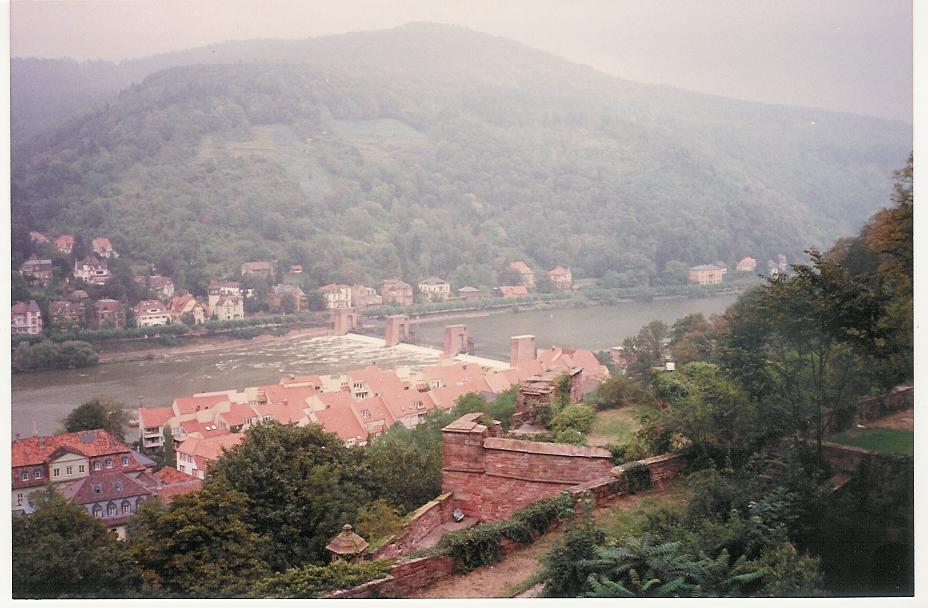
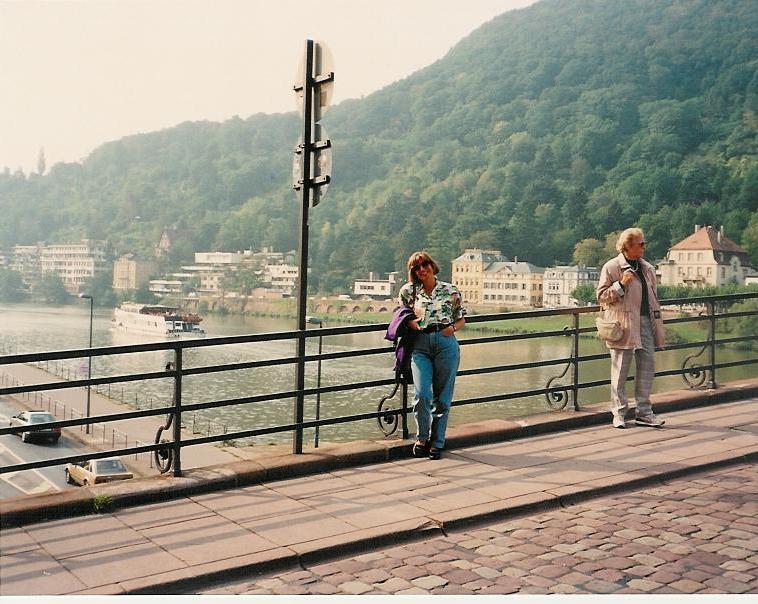
"RIVER NECKAR - Heidelberg is built on the banks of the Neckar, a tributary of the Rhine"


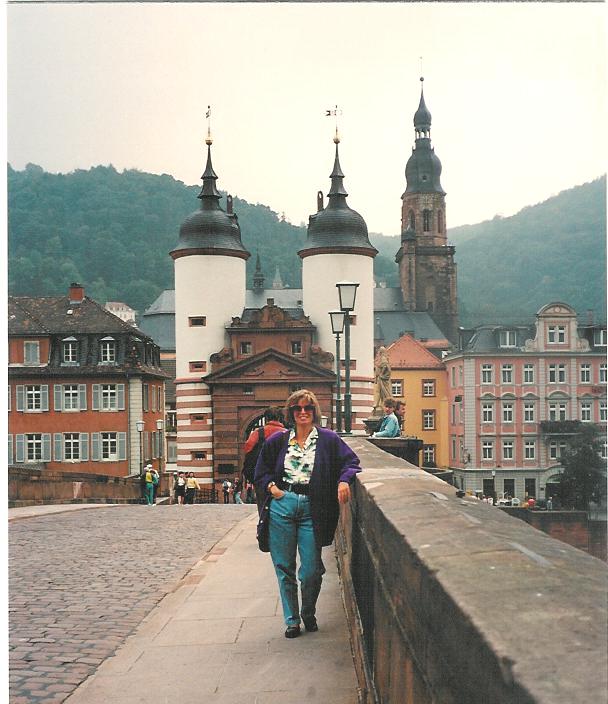
"THE OLD TOWN AND BRIDGE - After having four wooden bridges destroyed by floods, fire and ice, had its first stone bridge finished in 1788. Beautiful view!"


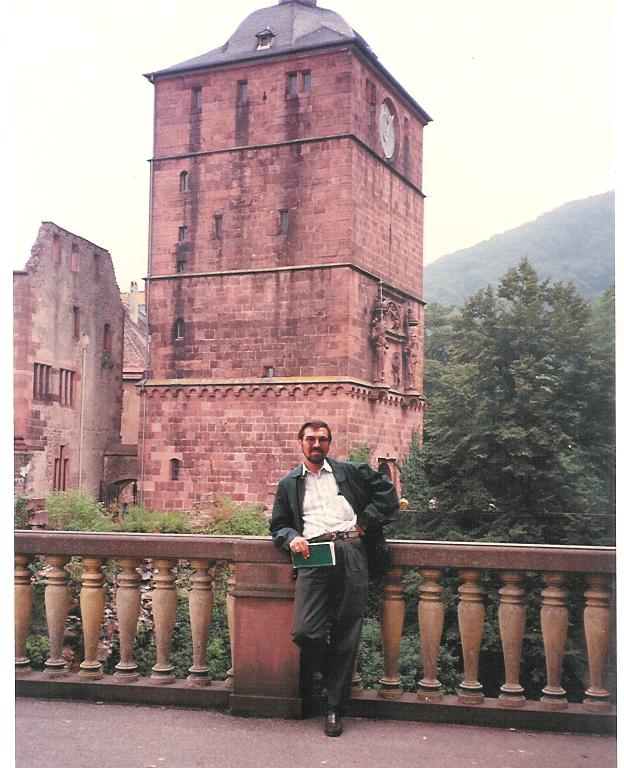
"THE CASTLE was first constructed for Prince Elector Ruprecht III (1398 - 1410). The Prince Electors of the 16th and 17th century added two palace buildings to the complex: the Ottheinrich and the Friedrichsbau. The Castle was destroyed during the 30 Years' War. Later rebuilt by Prince Elector Karl Ludwig (1649 - 1680), was once again destroyed by French troops. Prince Elector Karl Theodor tried to restore the castle to make it inhabitable, but lightning struck the Castle in 1764, and left it in ruins"


"PULVERTURM - The ruins of the powder tower"


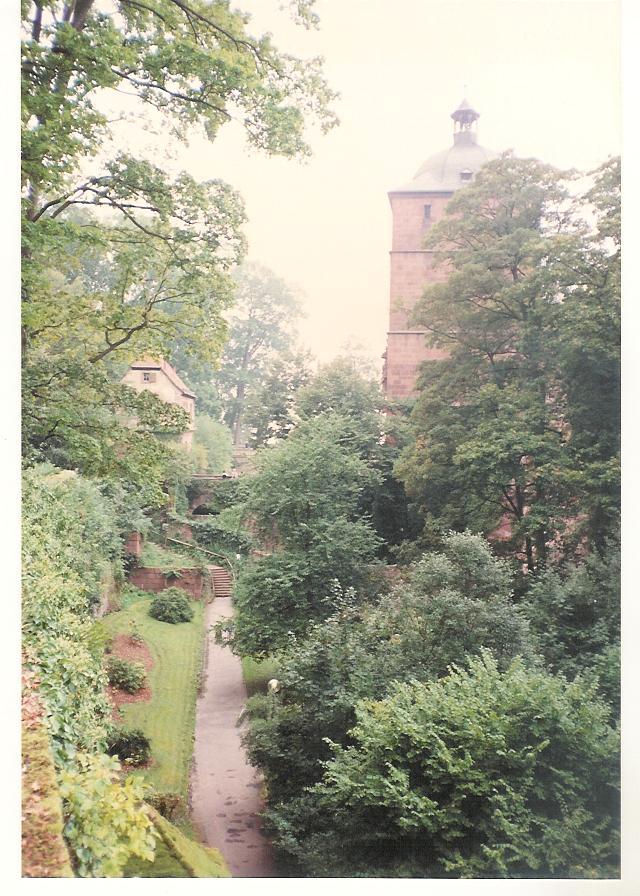
"CASTLE GARDENS - the Renaissance garden was considered, before the 30 Years' War, as the «Eighth Wonder of the World»"


"FATHER RHINE - In a pond, an enormous sandstone sculpture was added"


"GREAT TERRACE - wonderful view of the Castle's east front rising dark into the sky as well as a view of the Rhine Valley. The garden architect Salomon de Caus, created the Castle Gardens, discovered this view"


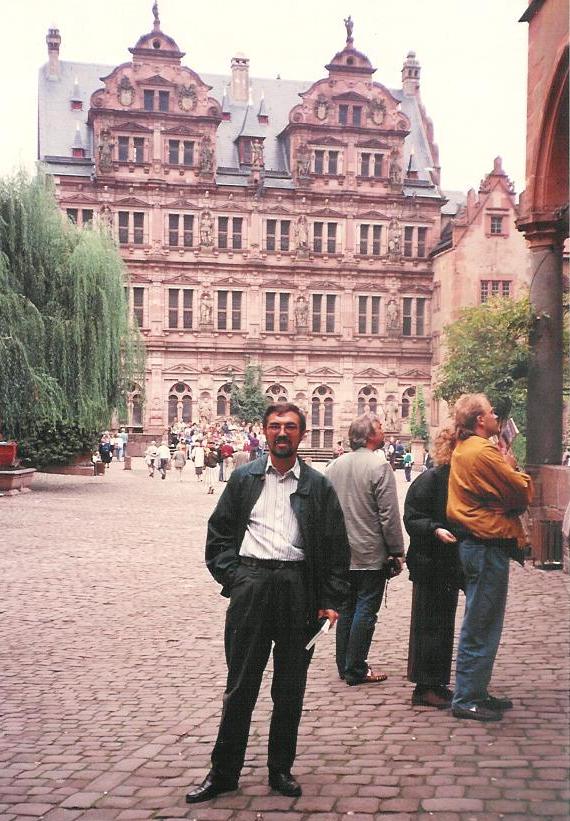
"FRIEDRICHSBAU, the castle's second Renaissance Palace owes its existence to Friedrich IV. The construction work started in 1601 and was finished in 1604. The façade is adorned with 16 statues of princes, ancestors of Friedrich IV, made by Sebastian Gortz. In 1900, the Palace was renovated and is therefore the only building in the castle that shows its former magnificience"


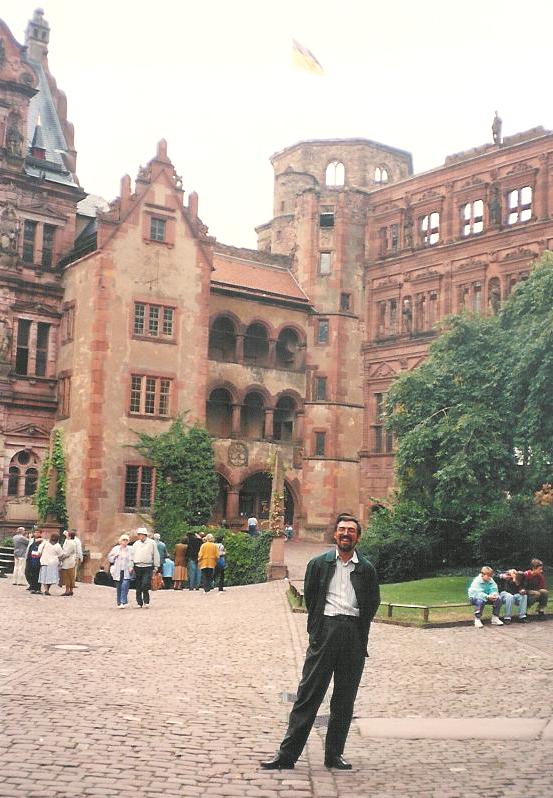
"SAALBAU - The Hall Building - marks the architectural transition from the Gothic to the Renaissance. On the right hand side of the photo, Ottheinrich's Palace, destroyed during the French Succession Wars in 1693, was one of the most beautiful Renaissance palaces north of the Alps"


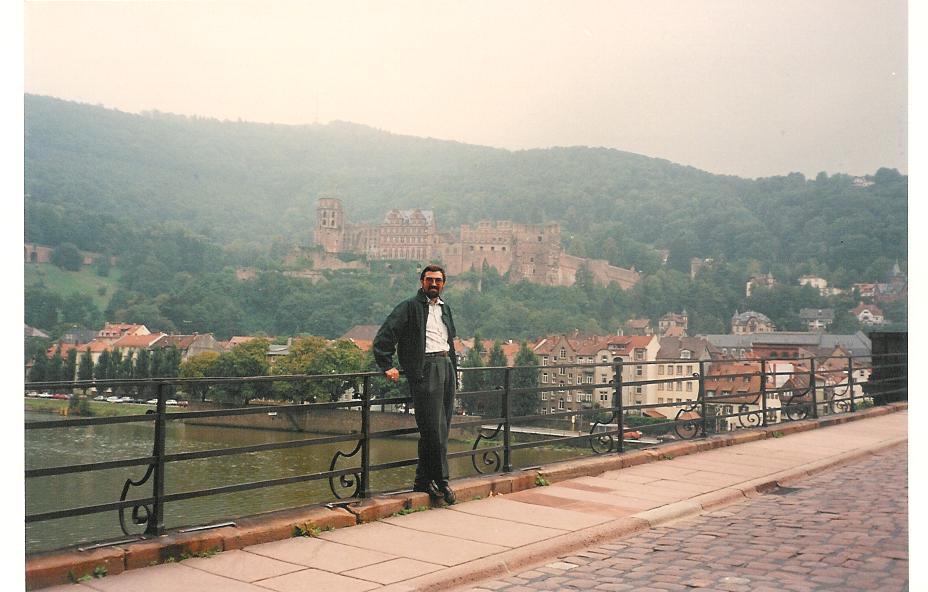
"THE CASTLE - View from one of the bridges over the Neckar"


"THE NECKAR - and the sun started shinning"


"THE OLD BRIDGE -The West Tower contains dungeons, whereas the East Tower holds a spiral staircase"


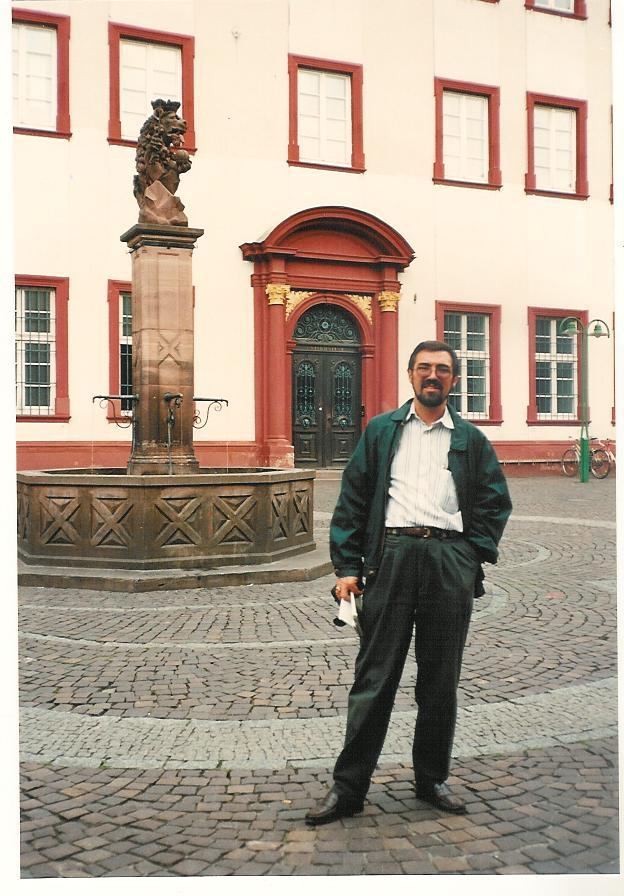
"UNIVERSITY - On June 24, 1712, the university's chancellor Prof. Dr. Melchior Kirchner laid the foundation-stone for the "Old University", as the building is called today. The "Alte Aula" was added in 1885 shortly before the university's 500th anniversary. At the University Square, in front of the building, the «Löwenbrunnen» can be found. The fountain is crowned by a lion symbolizing the power of the Palatinate"


"TOWN HALL - The foundation-stone for Heidelberg's new town hall was laid in 1701. From 1703 till 1914, the assembly hall was located behind the balcony. Due to a fire, the town hall had to be reconstructed in 1908"


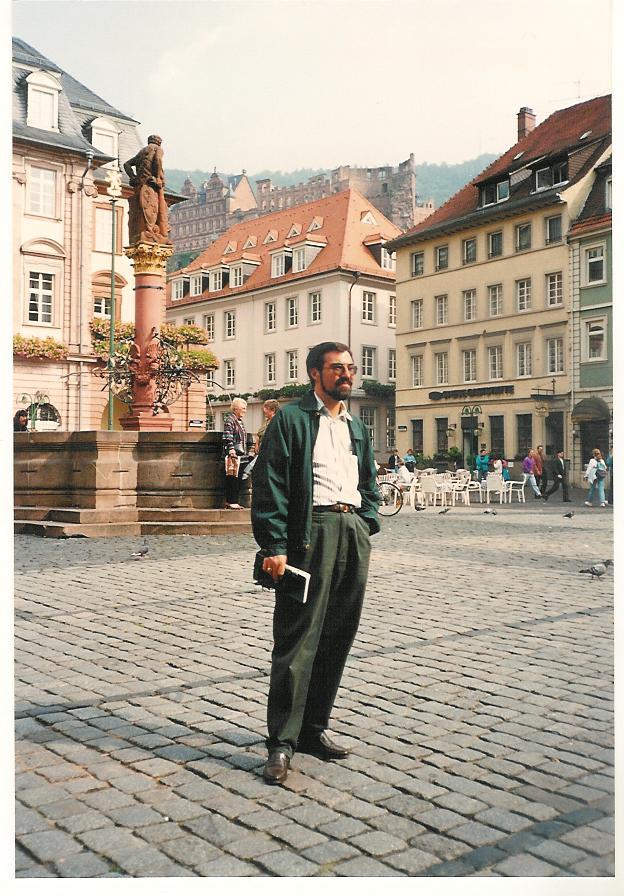
"MARKTPLATZ - In the heart of the city"